Rising Noise Barriers and the Need for Modern Solutions
Rapid urbanization and expanding road infrastructure have significantly increased environmental noise levels across India. From busy expressways to industrial zones, constant exposure to high sound levels affects health, productivity, and overall quality of life. In this changing landscape, Ecotone Systems is delivering advanced acoustic solutions that go beyond conventional construction methods. Instead of relying on outdated brick walls, modern infrastructure projects now prefer engineered Noise Barriers that are specifically designed for effective sound reduction and long-term durability. The shift is not just about innovation, but about measurable performance and regulatory compliance.
The Growing Need for Advanced Noise Control
Noise pollution is now recognized as a serious environmental issue. Continuous traffic movement, heavy vehicle engines, honking, and industrial machinery create persistent sound levels that impact surrounding communities. Traditional brick walls were once considered sufficient for basic boundary demarcation and minimal sound blocking. However, as traffic density and industrial operations have increased, it has become clear that simple masonry construction cannot provide the level of noise control required today. This is where modern Noise Barriers offer a practical and performance-driven alternative.
Why Traditional Brick Walls Fall Short
Brick walls primarily function as solid barriers that reflect sound waves. While they may block direct line-of-sight noise to some extent, they do not effectively absorb sound. Instead, much of the noise is reflected back into the environment, sometimes causing echo and secondary noise issues. Over time, brick structures can develop cracks due to vibrations from heavy traffic and exposure to harsh weather conditions. Maintenance becomes frequent, and structural integrity may weaken. Additionally, brick construction is time-consuming and labor-intensive, making it less suitable for large-scale highway projects where speed and efficiency are critical.
Another important factor is acoustic engineering. Brick walls are not scientifically designed to manage different sound frequencies. Traffic noise contains a mix of low and high frequencies, and without proper sound-absorbing materials, performance remains limited. For modern infrastructure needs, a more advanced solution is required.
Understanding Modern Noise Barrier Technology
Modern Noise Barriers are engineered systems developed using acoustic science and structural engineering principles. Unlike traditional masonry, these systems are specifically designed to block, absorb, and control sound transmission. A typical barrier includes a strong structural framework combined with specialized acoustic materials that significantly reduce noise levels.
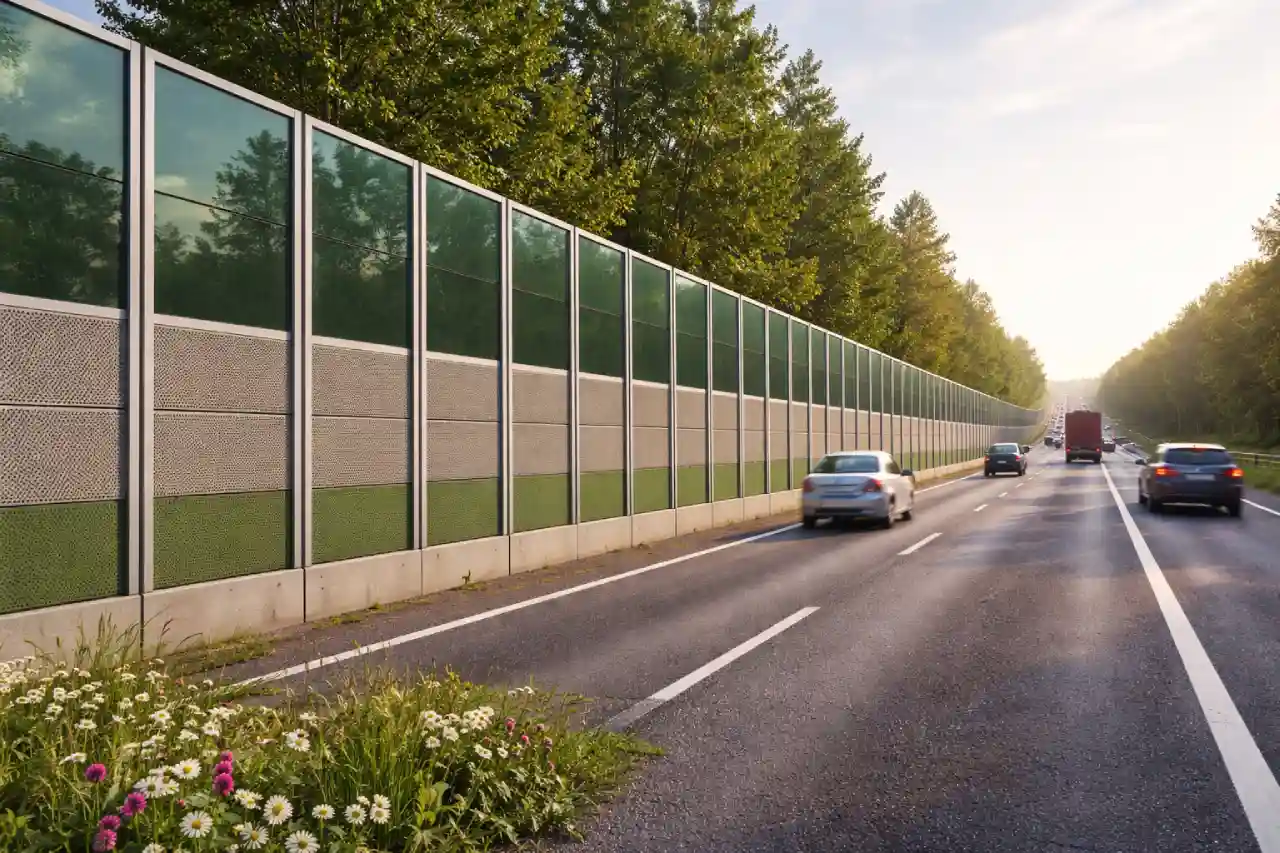
The internal core of these systems often contains high-density sound-absorbing material that minimizes sound reflection. External panels may be made from metal, composite materials, or reinforced concrete, depending on project requirements. A Concrete Noise Barrier provides both structural strength and acoustic efficiency, making it suitable for heavy-duty applications such as expressways and industrial corridors.
When used as a Highway Noise Barrier, the structure is carefully designed based on traffic flow, vehicle types, and environmental conditions. Height, thickness, and positioning are calculated to ensure maximum sound reduction for nearby residential or commercial areas.
Performance in Highway Applications
Highways are one of the most common sources of environmental noise. Continuous vehicle movement creates a combination of engine sound, tire friction, and aerodynamic noise. A properly engineered Noise Barrier on Highway projects plays a crucial role in reducing the impact of this sound on surrounding communities.
Unlike brick walls, a Highway Noise Reduction Barrier is tested and optimized for acoustic performance. The design ensures that sound waves are either absorbed or redirected in a controlled manner. This reduces overall decibel levels and improves comfort for residents living near busy roads. Modern Noise Barriers are also built to withstand wind pressure, vibration, and long-term exposure to outdoor conditions, ensuring consistent performance over time.
Durability and Structural Strength
Durability is one of the key reasons why modern Noise Barriers are preferred over brick walls. Traditional masonry structures are vulnerable to moisture penetration, cracking, and erosion. Continuous vibration from heavy vehicles can gradually weaken the structure, leading to higher maintenance costs.
In contrast, engineered systems are manufactured using corrosion-resistant materials and protective coatings. A Concrete Noise Barrier offers enhanced structural stability while maintaining strong acoustic properties. These systems are designed to last for decades with minimal maintenance, making them ideal for public infrastructure projects.
Additionally, modular construction techniques allow easy replacement of damaged sections without dismantling the entire structure. This flexibility is not possible with conventional brick walls.
Faster Installation and Project Efficiency
Time is a critical factor in highway and industrial development projects. Brick construction requires curing time, skilled labor, and extensive on-site work. Delays can increase project costs and disrupt traffic movement.
Modern Noise Barriers are typically prefabricated and installed in modular sections. This approach reduces installation time significantly and minimizes disruption. For large-scale Highway Noise Barrier installations, this efficiency becomes a major advantage. Faster completion not only saves cost but also ensures quicker noise control benefits for nearby communities.
Cost Considerations and Long-Term Value
At first glance, brick walls may appear economical due to lower material costs. However, when considering foundation requirements, labor expenses, maintenance, and limited acoustic performance, the overall lifecycle cost becomes higher.
Engineered Noise Barriers provide better noise reduction and require less frequent repairs. A well-designed Highway Noise Reduction Barrier offers long-term value by combining durability, performance, and reduced maintenance. Over time, this makes it a more cost-effective investment compared to traditional masonry solutions.
Aesthetic and Environmental Benefits
Modern infrastructure projects demand both functionality and visual appeal. Plain brick walls often appear bulky and unattractive, especially in urban settings. In contrast, Noise Barriers can be customized in terms of color, texture, and finish. Transparent panels can be incorporated in certain sections to maintain visibility while still controlling noise.
Environmental considerations are also important. Many modern systems are designed using recyclable materials and eco-friendly manufacturing processes. By effectively reducing traffic noise, a Noise Barrier on Highway installation also contributes to improved community well-being and better living conditions.
When Concrete Noise Barrier Systems Are Ideal
In areas with heavy traffic, high wind loads, or strict durability requirements, a Concrete Noise Barrier is often the preferred choice. These systems provide exceptional structural strength while maintaining effective sound insulation. They are particularly suitable for expressways, industrial zones, and large infrastructure corridors where long-term reliability is essential.
Concrete-based systems also offer resistance against impact and environmental wear, making them a practical solution for demanding environments.
Why Infrastructure Projects Prefer Highway Noise Barrier Solutions
Government authorities and private developers increasingly choose Highway Noise Barrier systems because they deliver measurable results. Acoustic testing ensures compliance with environmental standards and regulatory norms. Unlike traditional brick walls, these engineered solutions are backed by data-driven design and performance validation.
A properly installed Highway Noise Reduction Barrier not only protects communities from excessive sound but also demonstrates responsible infrastructure planning. It reflects a commitment to sustainable development and improved urban living standards.
Additional Services of Ecotone Systems
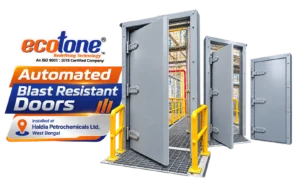
Beyond advanced Noise Barriers, Ecotone Systems provides specialized acoustic and safety solutions for industrial and infrastructure applications. The company designs and manufactures blast resistant doors that enhance safety in high-risk industrial environments. These doors are engineered to withstand pressure waves and provide structural protection in hazardous conditions.
Ecotone Systems also offers anechoic chamber solutions for precise acoustic testing and research applications. An anechoic chamber is designed to absorb sound reflections completely, creating a controlled environment for accurate measurement and product evaluation. These additional services highlight the company’s expertise in comprehensive sound control and safety engineering.
Conclusion
As infrastructure demands evolve, relying on outdated brick construction for noise control is no longer sufficient. Modern Noise Barriers provide scientifically engineered solutions that deliver superior acoustic performance, durability, and long-term value. Whether installed as a Highway Noise Barrier or implemented in industrial settings, these systems outperform traditional walls in every critical aspect.
For highways, urban developments, and industrial projects seeking reliable noise control, a professionally designed Highway Noise Reduction Barrier is the smarter choice. With expertise in advanced acoustic engineering, Ecotone Systems continues to support infrastructure growth by delivering innovative and dependable solutions that create quieter, safer environments for communities.