- Serving Industries Across India
Metallic Noise Barriers | Metal & Steel Sound Barrier Manufacturer
Metallic Sound Barriers for Highways, Industrial Sites & Urban Infrastructure
Summary: A metallic noise barrier, also called a metal noise barrier or steel noise barrier, is a modular acoustic wall made of galvanized steel or aluminium panels with a perforated, sound-absorbing face and a mineral wool core, fitted between steel H-posts along a road, rail line, or plant boundary. Ecotone Systems manufactures double-skin insulated metal barriers rated at 45 STC in laboratory airborne sound tests, with tongue-and-groove panels and neoprene-gasketed joints. This page is for highway, metro, and plant engineers who need to specify or compare a metal sound barrier.
- 45 STC lab-rated double-skin insulated panels
- Design, manufacture, installation & commissioning
- ISO 9001:2015 certified manufacturer
Get a project quote
Tell us about your requirement and site. Our team typically responds within 24 hours on business days.
Is This Metallic Noise Barrier Guide Right for You?
Who It's For
Highway and expressway authorities, metro and railway projects, industrial plants and substations, and builders protecting housing, schools, or hospitals from traffic and equipment noise.
When to Use This Guide
Before choosing between metal, concrete, and transparent barriers, while comparing steel noise barrier quotes, or when an existing barrier leaks noise through joints or reflects it back.
What Is a Metallic Noise Barrier?
A metallic noise barrier, also called a metal noise barrier or steel noise barrier, is an outdoor acoustic wall built from lightweight metal panels slotted between steel profile posts. Ecotone’s panels are a double-skin insulated wall: a plain outer sheet of aluminium alloy or GI, 1.3 to 1.5 mm thick, and a source-side perforated sheet, 1.2 mm thick with 22% open area, enclosing a mineral wool core protected by a non-defiberizing geotextile or neoprene layer. Sound passes through the perforations and is dissipated in the core, while the solid back skin blocks what remains. Panels can run horizontally or vertically, in absorptive or reflective versions, single or double sided, and in almost any colour. If you needed the one-line definition, that is it. The sections below cover what decides whether a metal sound barrier performs on site.
Why Highways and Plants Choose Metal Sound Barriers
Metal noise barriers account for a large share of barriers installed worldwide because they combine good acoustic performance with low weight, fast fabrication, and flexible architecture. They are lighter than concrete, so posts and foundations are smaller, which suits flyovers, viaducts, and retrofits on existing structures. In India, the Noise Pollution (Regulation and Control) Rules, 2000 set residential limits of 55 dB(A) by day and 45 dB(A) by night, and industrial sites must meet limits at their boundary. A metallic sound barrier with an absorptive face helps close that gap without adding reflected noise on the opposite side of a road. For an overview of all barrier types, see our noise barrier page.
Specifications, Benefits, Applications & Installation Process
| Parameter | Standard Specification |
|---|---|
| Wall Type | Double-skin insulated wall |
| Outer Sheet | Plain aluminium alloy or GI, 1.3 to 1.5 mm |
| Source-Side Sheet | Perforated aluminium alloy or GI, 1.2 mm, 22% open area |
| Core | Mineral wool with geotextile or neoprene protection |
| Acoustic Rating | 45 STC, laboratory airborne sound test |
| Joints | Tongue and groove with neoprene rubber gaskets |
| Posts | H-profile steel allowing panels to slide in |
| Finish | Powder coated or painted |
| Benefit | Impact |
|---|---|
| High Insulation | Double skin and dense core block traffic and machine noise |
| Absorptive Face | Cuts reflections across the road |
| Light Weight | Smaller foundations, suits flyovers and retrofits |
| Leak-Free Joints | Gasketed tongue-and-groove panels stop sound leaks |
| Architectural Freedom | Colours, patterns, and orientations to suit the site |
| Weather Resistance | Galvanized or aluminium with protective finish |
| Fast Installation | Panels slide into H-posts |
| Application | Typical Site |
|---|---|
| Highways and Expressways | Residential stretches |
| Flyovers and Viaducts | Weight-sensitive structures |
| Metro and Railway | Track-side and elevated sections |
| Industrial Plants | Compressor, cooling tower, and DG yards |
| Substations | Transformer bays |
| Urban Projects | Schools, hospitals, and housing |
| Commercial Rooftops | HVAC and chiller screens |
| Step | Action |
|---|---|
| 1. Noise Survey | Measure source and receiver levels |
| 2. Acoustic Design | Set height, length, and absorptive or reflective faces |
| 3. Wind Load Design | Posts and foundation designed to IS 875 Part 3 |
| 4. Fabrication | Panels formed, perforated, filled, and finished |
| 5. Foundation | Footings or base plates prepared |
| 6. Erection | Posts set and panels slid in with gaskets |
| 7. Verification | Noise checked at receivers after installation |
Technical Data Sheet
| Property | Value / Standard |
|---|---|
| Product | Metallic Noise Barrier, double-skin insulated |
| Acoustic Performance | 45 STC; tested to IS 9901 Part III, DIN 52210 Part IV, ISO 140 Part III |
| Wind Load | Designed as per IS 875 Part III |
| Sound Proofing Class | A4 |
| Sound Deadening Class | B2 |
| Outer Sheet | Aluminium alloy or GI, 1.3 to 1.5 mm |
| Inner Sheet | Perforated, 1.2 mm, 22% open area |
| Joint | Tongue and groove, neoprene gaskets |
| Post | H-profile steel |
| Top | Riveted top cover on all panels |
| Finish | Powder coated or painted |
How Does a Metal Noise Barrier Work?
Short answer: Sound enters the perforated face, is absorbed in the mineral wool core, and what is left is blocked by the solid back skin. The wall also forces the remaining sound to bend over the top, which reduces it further at the receiver.
Perforated Face
22% open area lets sound into the core.
Mineral Wool Core
Turns sound energy into a little heat.
Solid Back Skin
Blocks sound passing through the panel.
Sealed Joints
Gaskets stop leaks between panels.
Absorptive or Reflective: Which Steel Noise Barrier Do You Need?
Short answer: Use absorptive panels where noise could bounce back towards other homes or where barriers face each other across a road; reflective panels can work where nothing sensitive lies on the source side.
A reflective metal barrier protects the area behind it but sends sound back across the carriageway. With buildings on both sides, or barriers on both edges, those reflections can raise noise on the far side and reduce the benefit of both walls. Absorptive panels with a perforated face reduce this. European standard EN 1793 rates absorption (Part 1, DLα) and airborne sound insulation (Part 2, DLR) for road traffic noise reducing devices, and is a useful benchmark when comparing products. Ecotone metallic barriers can be made absorptive on one or both faces.
Joints and Gaskets Matter as Much as the Panel
A 45 STC panel loses much of its value if the joints leak. Gaps between panels, under the bottom panel, or around posts let sound straight through. Ecotone panels use tongue-and-groove edges with neoprene rubber gaskets and slide into H-profile posts, with a riveted top cover on every panel, so the wall behaves as one continuous surface. When comparing quotes, ask how joints, the base, and the post connections are sealed.
Ecotone Systems: Design, Manufacture, Installation, and Commissioning
Ecotone Systems is an ISO 9001:2015 certified manufacturer that designs, manufactures, installs, and commissions metallic noise barriers across India, alongside transparent noise barriers, polycarbonate noise barriers, and concrete sound barrier walls.
How to Choose a Metallic Noise Barrier Manufacturer in India
Ask for the Test Report
Request the STC or EN 1793 test report and the standard used.
Check Sheet and Core
Confirm sheet thickness, perforation open area, and core material.
Review Wind Load Design
Ask for post and foundation design to IS 875 Part 3.
Inspect Joint Sealing
Confirm gasketed tongue-and-groove joints and base sealing.
Confirm Finish
Check galvanizing, aluminium grade, and powder coating.
See Similar Projects
Ask for highway, metro, or plant installations like yours.
Frequently Asked Questions
A modular acoustic wall of metal panels with a perforated face and mineral wool core.
45 STC in laboratory airborne sound tests.
Reflective barriers bounce sound back, absorptive barriers capture and dissipate it.
Yes, galvanized steel or aluminium with a protective finish resists weather and corrosion.
Mineral wool protected by geotextile or neoprene, between metal sheets.
Tongue-and-groove panels with neoprene rubber gaskets.
Yes, in colour, pattern, height, and panel orientation.
Posts and foundations are designed as per IS 875 Part 3.
Yes, transparent sections can be combined with metal panels.
Yes, which means smaller foundations and suitability for flyovers.
Get a Project Quote for Metallic Noise Barriers
Whether you need a steel noise barrier for a highway, a metro viaduct, or a plant boundary, Ecotone Systems designs, manufactures, installs, and commissions it against your measured noise problem. Tell us the site, the noise source, and the length and height needed, and our team typically responds within 24 hours on business days.

Modular sound barrier walls for roads, flyovers and rail.

Clear, impact-resistant barriers for urban corridors.

Barriers that block noise while keeping views open.
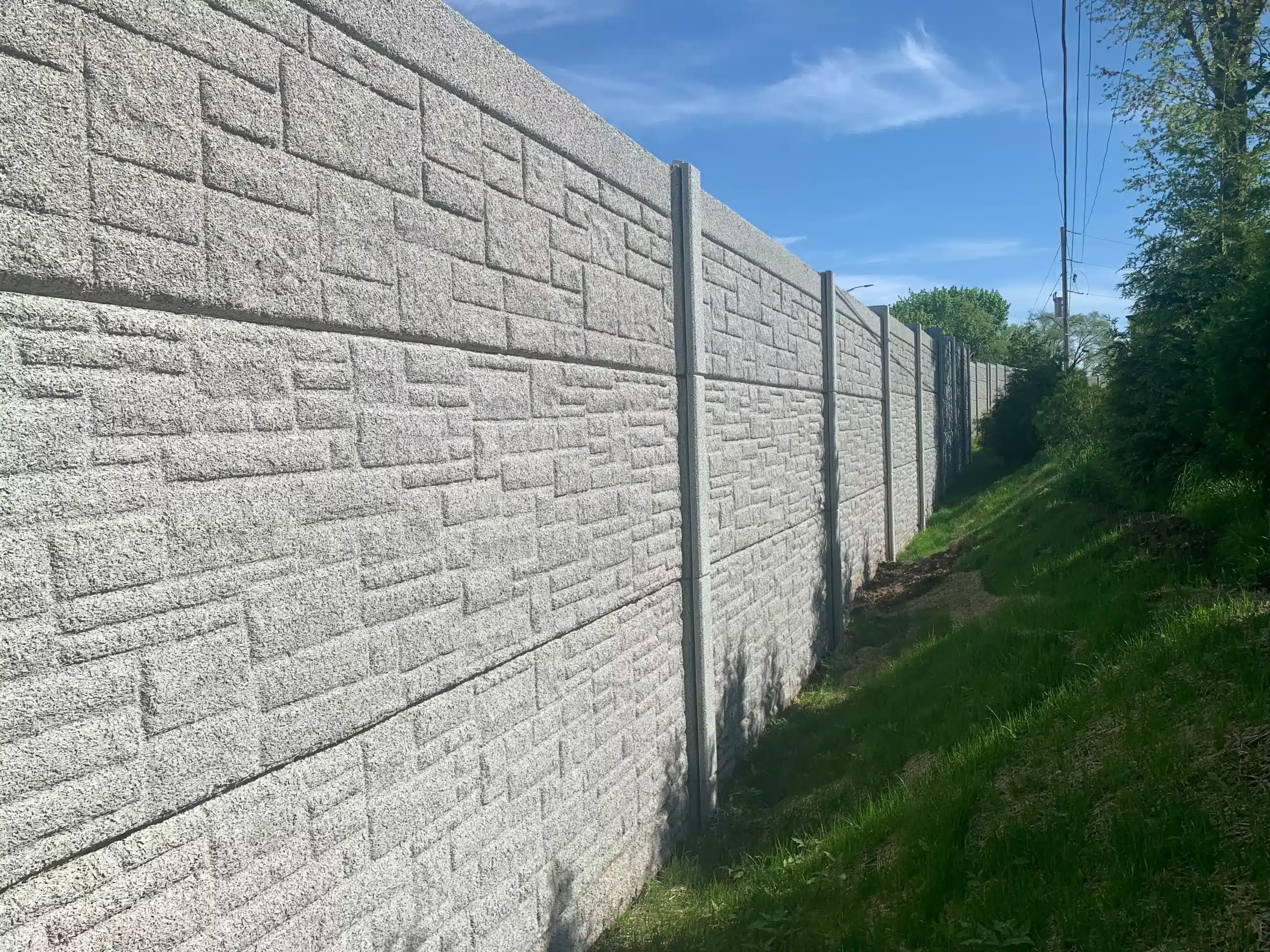
High-mass precast panels for highways and railways.
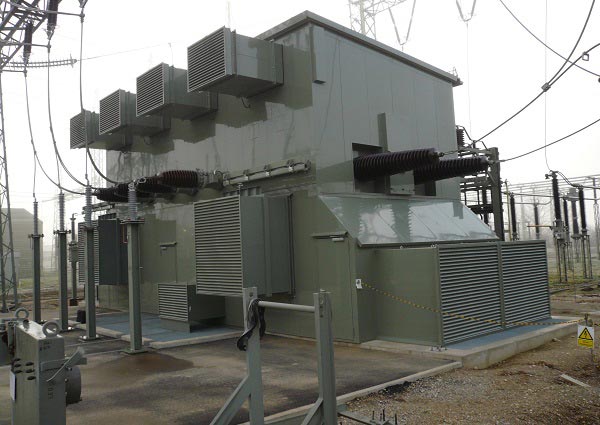
Barriers and enclosures for transformer hum.
Trusted by India's Leading Brands
Hover to pause · Logos scroll continuously