- Serving Industries Across India
Polycarbonate Noise Barrier | Acrylic Noise Barrier Manufacturer in India
Polycarbonate & Acrylic Noise Barriers for Highways, Flyovers & Urban Infrastructure
Summary: A polycarbonate noise barrier, or acrylic noise barrier, is a transparent sound barrier made of solid polycarbonate or PMMA (acrylic) sheets in a framed, gasketed system, used where a road, flyover, or metro line needs noise control without blocking light or views. Ecotone’s acrylic sheets have light transmission of at least 90% and sound reduction index (DLR) values of 30 to 33 dB to EN 1793-2, with transmission loss of up to 36 dB(A). This page is for highway, metro, and urban project teams comparing transparent sound barrier options.
- DLR 30 to 33 dB to EN 1793-2, 90%+ light transmission
- Design, manufacture, installation & commissioning
- ISO 9001:2015 certified manufacturer
Get a project quote
Tell us about your requirement and site. Our team typically responds within 24 hours on business days.
Is This Polycarbonate Noise Barrier Guide Right for You?
Who It's For
Expressways and flyovers through cities, metro and railway corridors, bridges, residential edges, and campuses where views and daylight must be kept.
When to Use This Guide
Before deciding between polycarbonate and acrylic sheet, while comparing transparent sound barrier quotes, or when a solid wall would block light or views.
What Is a Polycarbonate Noise Barrier?
A polycarbonate noise barrier, also sold as an acrylic noise barrier or transparent sound barrier, is a noise wall whose panels are solid clear or tinted sheets of polycarbonate or PMMA (acrylic), held in steel or aluminium frames with rubber-gasketed interlocking joints. It blocks traffic noise like any barrier but keeps sightlines, daylight, and a sense of openness. Ecotone manufactures barriers in both materials, in clear and tinted versions, in a range of thicknesses, colours, and inclined or parabolic profiles. If you needed the one-line definition, that is it. The sections below cover how to pick the right sheet and avoid the common failures.
Why Indian Cities Are Specifying Transparent Polycarbonate Barriers
Elevated roads and metro viaducts now run past apartments, shops, and offices at window height. A solid wall there would cut noise but also light and views, and would feel oppressive to people on both sides. Transparent polycarbonate and acrylic barriers solve this, which is why they are common on flyovers, bridges, and urban expressways. They still need to meet the same goal: help keep residential areas within the 55 dB(A) day and 45 dB(A) night limits of India’s Noise Pollution (Regulation and Control) Rules, 2000. For opaque options, see our metallic noise barriers and concrete sound barrier walls.
Specifications, Benefits, Applications & Installation Process
| Parameter | Standard Specification |
|---|---|
| Sheet Material | Solid polycarbonate or PMMA (acrylic) |
| Variants | Clear, tinted, translucent |
| Light Transmission | Min. 90% (clear acrylic, DIN 5036) |
| Sound Reduction Index | DLR 30 / 32 / 33 dB, EN 1793-2 |
| Transmission Loss | Up to 36 dB(A) |
| Joints | Rubber-gasketed interlocking joints |
| Profile | Vertical, inclined, or parabolic |
| Design | Wind pressure and regional safety norms |
| Benefit | Impact |
|---|---|
| Clear Views | Keeps daylight and sightlines |
| Impact Resistance | Polycarbonate is virtually unbreakable |
| Light Weight | Suits bridges and flyovers |
| Sealed Joints | Gaskets prevent noise leakage |
| Low Maintenance | Smooth surfaces are easy to clean |
| Design Flexibility | Colours, tints, and profiles |
| Proven Standard | Acoustic rating to EN 1793-2 |
| Application | Typical Site |
|---|---|
| Flyovers and Elevated Roads | City corridors |
| Metro Viaducts | Track-side screening |
| Bridges | Weight-sensitive decks |
| Expressways | Residential stretches with views |
| Industrial Zones | Visibility-critical boundaries |
| Commercial Complexes | Rooftop and plant screens |
| Campuses | Schools and hospitals |
| Step | Action |
|---|---|
| 1. Noise Survey | Measure levels at receivers |
| 2. Material Choice | Polycarbonate or acrylic, thickness, tint |
| 3. Structural Design | Frames and posts for wind pressure |
| 4. Fabrication | Sheets cut, framed, and gasketed |
| 5. Foundation | Bases or deck fixings prepared |
| 6. Installation | Panels fixed with interlocking joints |
| 7. Verification | Noise and visual check |
Technical Data Sheet
| Property | Value / Standard |
|---|---|
| Tensile Strength | Min. 70 MPa (ISO 527-2) |
| Elongation at Break | 5% (ISO 527-2) |
| Flexural Strength | Min. 98 MPa (ISO 178) |
| Elastic Modulus | Min. 3300 MPa (ISO 527-2) |
| Density | 1.19 g/cm³ (ISO 1183) |
| Thermal Expansion (0 to 50°C) | 70 × 10⁻⁶ /K (DIN 53752-A) |
| Max Service Temperature | 70°C |
| Vicat Softening Temperature | 102°C / 110°C (ISO 306/B50) |
| Light Transmission (Clear) | Min. 90% (DIN 5036) |
| Sound Reduction Index (DLR) | 30 / 32 / 33 dB (EN 1793-2) |
How Do Transparent Noise Barriers Reduce Noise?
Short answer: They block the direct line between traffic and the listener, so sound must bend over the top and loses energy on the way. Solid sheets stop sound passing through, and gasketed joints stop leaks.
Line-of-Sight Blocking
The barrier must at least hide the source from the receiver.
Reflection
Smooth sheet reflects sound away from the protected side.
Diffraction Loss
Sound bending over the top arrives weaker.
Sealed Joints
Gaskets keep the wall continuous.
Polycarbonate vs Acrylic: Which Sheet Should You Choose?
Short answer: Choose polycarbonate where impact resistance matters most, such as low-level road edges; choose acrylic (PMMA) where long-term clarity and scratch-resistant appearance matter most.
Polycarbonate is virtually unbreakable and lighter than glass, which makes it the safer choice where stones, debris, or vandalism are risks. Acrylic offers excellent clarity and weathering, with clear sheet transmitting at least 90% of light. Both are transparent and reflective acoustically, so on roads with buildings on both sides, consider absorptive metal panels in the lower section and transparent panels above. That combination is covered on our transparent noise barrier page.
Thermal Expansion and Fixing Details Decide Service Life
Plastics expand far more than steel with heat: acrylic’s coefficient is about 70 × 10⁻⁶ per kelvin, so a long sheet grows noticeably between a winter morning and a summer afternoon. Fixings and gaskets must allow that movement, or sheets crack at bolt holes and joints open up and leak sound. Ask how the frame accommodates expansion, and confirm the maximum service temperature for your site. Bird-strike marking may also be needed on fully clear panels.
Ecotone Systems: Design, Manufacture, Installation, and Commissioning
Ecotone Systems is an ISO 9001:2015 certified manufacturer supplying polycarbonate and acrylic noise barriers to infrastructure projects across India, alongside road and highway noise barriers and metal barrier systems.
How to Choose a Polycarbonate Noise Barrier Manufacturer in India
Ask for EN 1793-2 Data
Request the DLR test report for the exact sheet and thickness.
Check Sheet Properties
Confirm material, thickness, light transmission, and UV protection.
Review Expansion Detailing
Ask how frames and gaskets allow thermal movement.
Confirm Wind Design
Check frame and post design for local wind pressure.
Inspect Joint Sealing
Confirm gasketed interlocking joints and base seals.
See Similar Projects
Ask for flyover, metro, or bridge references.
Frequently Asked Questions
A transparent noise wall made of solid polycarbonate sheets in a framed system.
The same concept using PMMA (acrylic) sheet, prized for clarity.
DLR 30 to 33 dB to EN 1793-2, with up to 36 dB(A) transmission loss.
No, clear sheets transmit at least 90% of light.
Yes, polycarbonate has much higher impact resistance.
Yes, they are designed for UV, rain, and temperature changes.
With rubber-gasketed interlocking joints.
Yes, clear, tinted, and translucent options are available.
Flyovers, metro viaducts, bridges, expressways, and campuses.
Little, mainly periodic cleaning.
Get a Project Quote for Polycarbonate Noise Barriers
Whether you need a polycarbonate noise barrier for a flyover, an acrylic noise barrier for a metro viaduct, or a transparent screen for a campus, Ecotone Systems designs, manufactures, and installs it for your site. Tell us the location, length, and height needed, and our team typically responds within 24 hours on business days.

Modular sound barrier walls for roads, flyovers and rail.

Absorptive steel barrier panels for highways and plants.

Barriers that block noise while keeping views open.
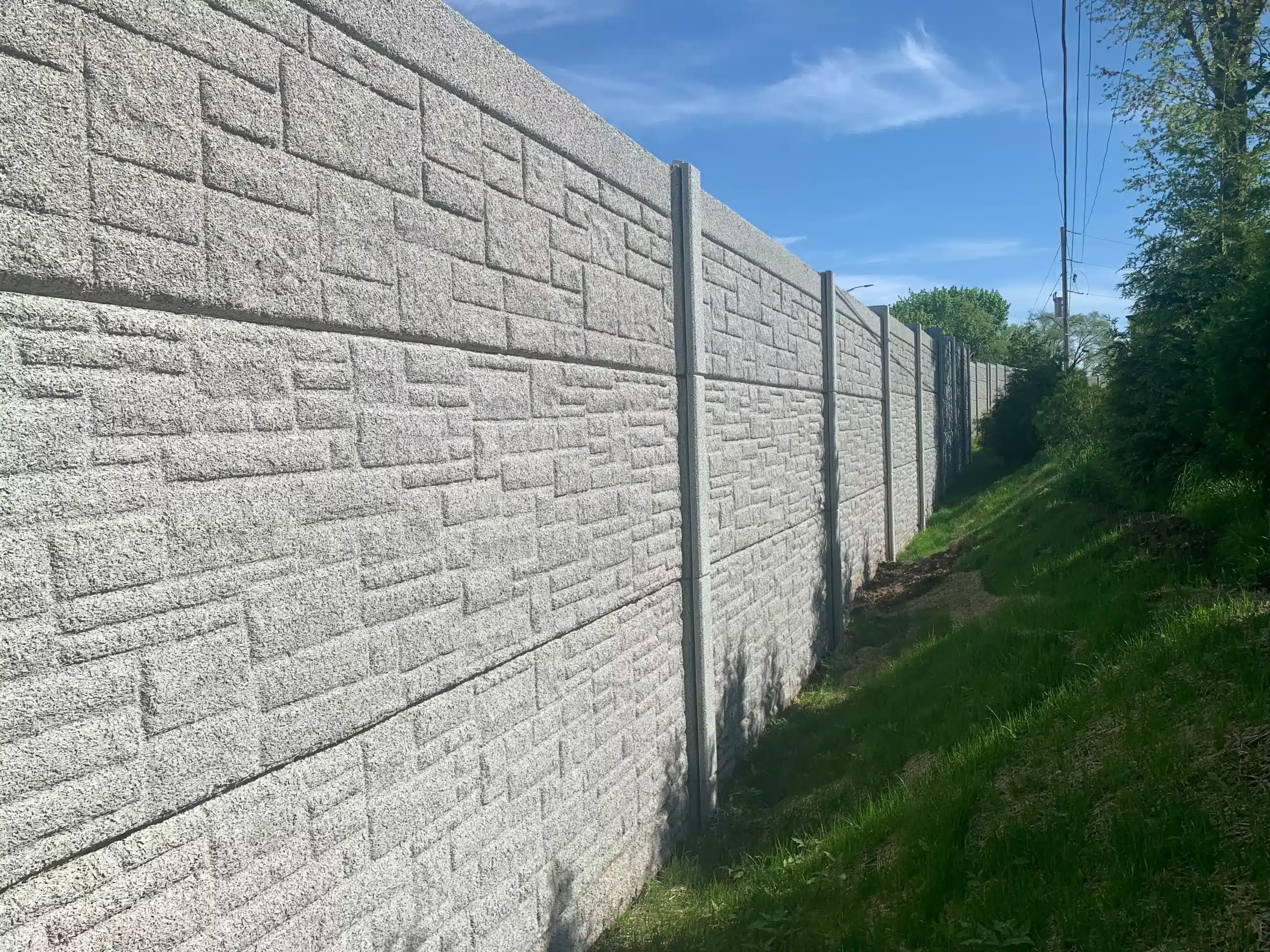
High-mass precast panels for highways and railways.
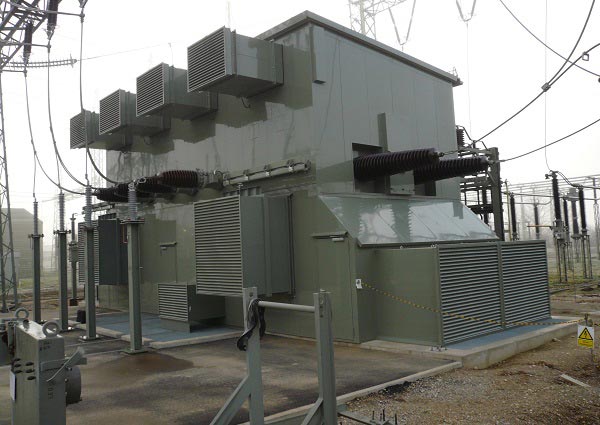
Barriers and enclosures for transformer hum.
Trusted by India's Leading Brands
Hover to pause · Logos scroll continuously