Did you know that workplace noise is one of the top distractions employees face, significantly affecting both productivity and mental well-being? In fact, research indicates that noise disruptions can result in a 20% decrease in work efficiency, leading to increased mistakes, stress, and mental fatigue. As companies continue to adapt to new work environments—especially with the rise of open-plan offices—finding effective solutions to noise problems, such as acoustic enclosures, has become critical. Acoustic enclosures help mitigate unwanted sound, creating a more focused and comfortable environment for employees.
One such solution is acoustic enclosures, which are specially designed spaces or devices that minimize or eliminate unwanted noise. Acoustic enclosures have become a vital component in modern office design, providing employees with a quieter and more comfortable working environment. In this blog post, we’ll explore how acoustic enclosures enhance workplace productivity and improve employee wellness, and why they should be considered by every organization seeking to foster a healthier and more efficient workplace.
Acoustic Enclosures and Their Impact on Workplace Productivity
Boosting Productivity with Acoustic Enclosures
Noise distractions in the workplace can disrupt concentration, lower focus, and increase stress levels. Employees in noisy environments often struggle to complete tasks efficiently and accurately. In fact, studies show that noise can decrease work productivity by up to 66%, particularly in environments like open-plan offices where conversations, phone calls, and general office noise are constant. To address this issue, partnering with a reliable acoustic enclosure manufacturer can help create soundproof solutions tailored to your office’s needs, reducing noise pollution and enhancing employee focus and productivity.
By introducing acoustic enclosures, companies can reduce these disruptions significantly. With soundproof booths or quiet areas, employees are able to engage in deep work without interruptions. These quiet spaces allow them to concentrate on tasks more effectively and efficiently.
For Any Inquiries Please Email
Our team typically responds within 24 hours on business days.
Contact UsCreating a Quiet, Focused Work Environment
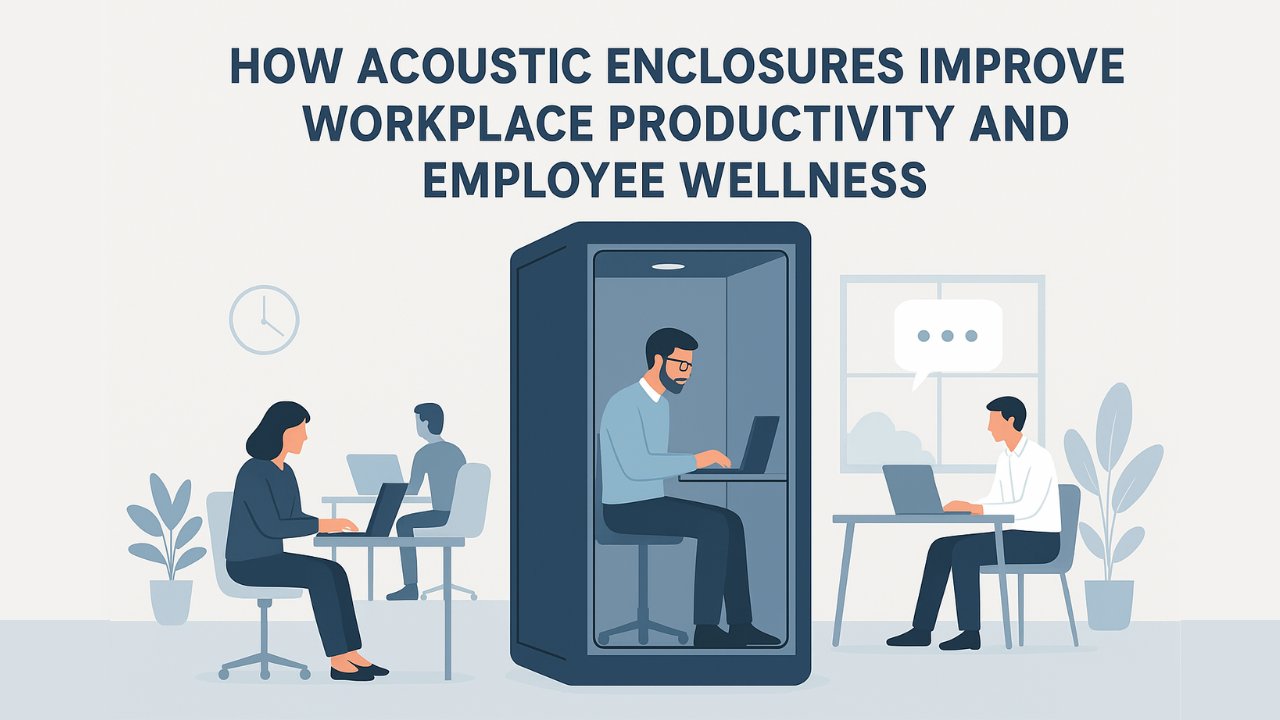
Employees who are provided with quiet spaces, such as a soundproof cabin, tend to experience higher levels of concentration and focus. Acoustic enclosures, like soundproof cabins or private offices, give workers a designated area to focus on important tasks, take phone calls, or attend virtual meetings without being disturbed.
For example, imagine an employee working in an open-plan office. In a typical noisy environment, they may need to concentrate on a complex task, but constant conversations, ringing phones, and foot traffic distract them. By offering a designated quiet space with an acoustic enclosure, this employee can work in peace, ultimately leading to improved performance and efficiency.
Improved Collaboration with Reduced Interruptions
While reducing distractions is essential for individual work, acoustic enclosures also enhance collaboration. In open offices, employees often find it difficult to have private conversations or meetings without disturbing others. Acoustic enclosures can provide private spaces for meetings, allowing employees to discuss projects, share ideas, or brainstorm without any interruptions. For businesses seeking high-quality solutions, an acoustic enclosure manufacturer in India can provide custom-built enclosures tailored to meet the specific needs of your workspace, ensuring both productivity and privacy.
This privacy fosters better communication, creativity, and problem-solving, which are all essential components of a productive team.
Reducing Stress and Cognitive Fatigue
Noise pollution isn’t just an inconvenience—it can also lead to cognitive fatigue. Constant noise exposure requires the brain to work harder, which increases stress and reduces mental energy over time. Studies have shown that noise can raise heart rates, increase blood pressure, and lead to higher levels of stress hormones, all of which can negatively affect both health and productivity.
By implementing acoustic enclosures, companies provide a much-needed break from this noise pollution, allowing employees to recharge and work more efficiently. These enclosures provide a restorative environment where employees can relax, clear their minds, and return to their tasks feeling refreshed.
Acoustic Enclosures and Employee Wellness
Enhancing Employee Wellness with Acoustic Enclosures
Noise Enclosure solutions play a crucial role in supporting employee wellness, which goes beyond just physical health. Mental health is equally important, and noise pollution has been shown to contribute to higher levels of stress, anxiety, and even depression. Excessive workplace noise can leave employees feeling mentally drained and overwhelmed. On the other hand, investing in effective Noise Enclosure systems can create a quieter, calmer environment that fosters mental well-being and enhances overall employee satisfaction.
Mental Health Benefits
Noise can have a direct impact on stress levels, causing anxiety and making it difficult for employees to focus. Over time, continuous exposure to office noise can lead to burnout. By introducing acoustic enclosures, companies can create spaces that minimize these distractions and allow employees to find some peace during their workday. Studies have shown that a quieter environment can lower stress hormones, improve focus, and contribute to overall emotional health.
Physical Health Benefits
Long-term exposure to high levels of noise can have serious physical effects, such as hearing loss, increased blood pressure, and even cardiovascular issues. By providing soundproofed spaces for employees, companies help mitigate these risks. Acoustic enclosures contribute to a healthier workspace by minimizing harmful noise exposure, supporting both the physical and mental health of employees.
Improved Sleep and Recovery
Acoustic Panels can significantly improve the work environment by reducing workplace noise, which is known to disrupt employees’ sleep patterns and hinder their ability to recover and perform optimally. By installing acoustic panels, employers can create quieter, calmer spaces where employees can take much-needed breaks, step away from the office chaos, or even enjoy short naps and power breaks. These breaks are essential for enhancing productivity, creativity, and overall well-being in the workplace.
Creating a Calm and Comfortable Workspace
Creating a calm workspace is essential for promoting positive mental health. Acoustic enclosures provide employees with a space to step away from the constant noise and recharge. This leads to improved employee satisfaction, a sense of well-being, and higher job satisfaction.
Design Considerations for Acoustic Enclosures
When designing acoustic enclosures, it’s important to consider both the functionality and aesthetics of the space. The goal is to create an environment that not only reduces noise but also fits seamlessly within the office layout and boosts overall ambiance.
Materials and Construction
The materials used in acoustic enclosures are crucial to their effectiveness. Common materials include soundproofing foams, heavy-duty walls, acoustic glass, and fiberboard panels. These materials help absorb or block sound waves from entering or escaping the enclosure. The construction of the enclosure should be designed with noise isolation in mind, ensuring that it meets the specific noise reduction needs of the office.
Space Efficiency and Aesthetics
In addition to noise reduction, the design of the acoustic enclosure should focus on space efficiency. Acoustic enclosures should fit into various office layouts without taking up too much space. Moreover, they should align with the overall office aesthetics. Sleek, modern designs are now available that can complement the existing office décor while providing a functional, quiet space.
Incorporating Technology
To enhance comfort, many modern acoustic enclosures come equipped with integrated technology. Features such as adjustable lighting, smart ventilation, and sound masking systems can make the space even more comfortable and productive.
The ROI of Acoustic Enclosures for Businesses
Cost vs. Benefit: Is It Worth the Investment?
Investing in acoustic enclosures comes with upfront costs, but the long-term benefits far outweigh the investment. Improved productivity, employee wellness, and job satisfaction can lead to increased revenue and reduced turnover rates. The return on investment (ROI) is clear: companies that invest in a quieter, more comfortable work environment will see improved results in both employee output and health.
Improved Employee Retention and Satisfaction
In addition to productivity gains, providing a quiet and comfortable work environment can improve employee retention rates. Employees are more likely to stay with a company that invests in their well-being, which translates to long-term cost savings and reduced recruitment expenses.
Conclusion
Acoustic enclosures are more than just a solution for reducing noise—they are an investment in your employees’ productivity and wellness. By creating quiet, focused workspaces, companies can increase efficiency, reduce stress, and promote better mental and physical health. As the future of work continues to evolve, acoustic enclosures are becoming a must-have element for offices that care about their employees’ well-being and bottom-line results.
Consider implementing acoustic enclosures in your workplace today and see how they can transform the work environment, improve productivity, and boost employee satisfaction.
Trusted by India's Leading Brands
Hover to pause · Logos scroll continuously