
- Serving Industries Across India
Acoustic Louvers | Acoustic Louver Panels Manufacturer in India
Acoustic Louver Panels for Generator Rooms, HVAC Openings, Data Centres & Industrial Plants
Summary: Acoustic louvers are weather-resistant ventilation openings built with sound-absorbing blades or baffles, so air can pass through an enclosure, plant room, or HVAC opening while noise is cut by up to 20 to 30 dB depending on design. HVAC consultants, and facility managers in India who are specifying acoustic louver panels for generator rooms, air handling units, data centres, and industrial plants, and who need to balance noise reduction against airflow.
- Up to 20 to 30 dB noise reduction with airflow
- Design, manufacture, installation & commissioning
- ISO 9001:2015 certified manufacturer
Get a project quote
Tell us about your requirement and site. Our team typically responds within 24 hours on business days.
Is This Acoustic Louvers Guide Right for You?
Who It's For
Power plants and substations, HVAC and plant rooms, manufacturing units, data centres and IT parks, hospitals, and commercial complexes where ventilation openings leak noise.
When to Use This Guide
Before finalising an acoustic louvers manufacturer in India, while comparing attenuation and pressure drop claims across quotes, or when a louvered opening is starving equipment of air or still letting noise through.
What Are Acoustic Louvers?
Acoustic louvers, also called noise control louvers or sound attenuating louvers, are ventilation panels built with sound-absorbing infill inside their blades, so that air can still move through an opening while sound transmission through that opening is reduced. They are used wherever a wall or enclosure needs an air inlet, exhaust, or outlet, and a plain opening would let machinery noise escape. Good acoustic louver design also keeps rain, dust, and other external elements out and helps manage temperature and humidity inside an enclosure. Typical noise reduction is up to 20 to 30 dB depending on the configuration, and they are usually made from galvanized steel, mild steel, aluminium, or stainless steel with a powder-coated finish. If you needed the one-line definition, that’s it. The sections below cover what separates a louver that performs from one that only looks acoustic.
Why Indian Plants Are Specifying Engineered Acoustic Louver Panels Instead of Standard Louvers
Every ventilation opening is a hole in your noise control. A generator room with a heavy door and well-lined walls can still fail a noise audit through its air inlet and exhaust, which is why ventilation noise control has become a standard part of industrial noise control solutions. The difficulty is that air performance and acoustic performance pull in opposite directions. ANSI/AMCA Standard 500-L, the recognised laboratory method for rating louvers, defines how pressure drop, air leakage, water penetration, and wind-driven rain performance are measured, using a 48 inch by 48 inch test sample, so buyers can compare products on a common basis. A louver quoted on noise reduction alone, without an airflow and water rating beside it, is only half a specification. This guide explains how to read both halves.
Specifications, Benefits, Applications & Installation Process
| Parameter | Standard Specification |
|---|---|
| Noise Reduction | Up to 20 to 30 dB, design dependent |
| Materials | Mild steel, galvanized steel, aluminium, stainless steel |
| Infill | Sound-absorbing infill inside blades |
| Finish | Powder-coated or painted, corrosion resistant |
| Airflow | Low pressure drop, unrestricted ventilation design |
| Protection | Weather resistant, rain and dust protection |
| Customisation | Size, configuration, and noise reduction level |
| Benefit | Impact |
|---|---|
| Noise Control at Openings | Closes the acoustic gap left by air inlets and exhausts |
| Preserved Ventilation | Keeps equipment cooled while attenuating sound |
| Weather Protection | Resists rain, dust, and harsh outdoor conditions |
| Low Maintenance | Virtually maintenance free with a long operational life |
| Compliance Support | Helps meet site noise limits and regulations |
| Design Flexibility | Custom sizes, finishes, and attenuation levels |
| Enclosure Performance | Helps manage temperature and humidity inside enclosures |
| Application | Typical Facility |
|---|---|
| Generator Room Acoustic Louvers | Power plants, substations, backup power rooms |
| HVAC Acoustic Louvers | Air handling units and exhaust openings |
| Industrial Plant Openings | Heavy machinery and ventilation openings |
| Data Centres and IT Parks | Cooling intakes with low acoustic disturbance |
| Plant Rooms and Service Areas | Hospitals, commercial complexes, institutions |
| Turbine and Transformer Areas | Power generation noise control |
| Acoustic Enclosures | Air inlet and exhaust openings on equipment enclosures |
| Step | Action |
|---|---|
| 1. Noise and Airflow Study | Confirm required attenuation and airflow volume |
| 2. Louver Design | Size free area, blade depth, and configuration |
| 3. Material Selection | Choose steel, galvanized, aluminium, or stainless build |
| 4. Fabrication | Frames, blades, and absorptive infill manufactured |
| 5. Finishing | Powder coating or paint applied for corrosion resistance |
| 6. Opening Preparation | Wall or enclosure opening prepared and sealed |
| 7. Installation and Check | Louvers fixed and sealed, airflow and noise verified |
Technical Data Sheet
| Property | Value / Standard |
|---|---|
| Product | Acoustic Louver Panel |
| Noise Reduction | Up to 20 to 30 dB, depending on configuration |
| Louver Testing Reference | ANSI/AMCA 500-L (pressure drop, water penetration, wind-driven rain) |
| Materials | Mild steel, galvanized steel, aluminium, stainless steel |
| Infill | Sound-absorbing material inside blades |
| Finish | Powder-coated, galvanized, or painted |
| Airflow | Low pressure drop design |
| Environmental Protection | Weather, rain, and dust resistant |
| Maintenance | Virtually maintenance free |
| Customisation | Size, blade configuration, noise reduction level |
How Do Acoustic Louvers Reduce Noise Without Blocking Airflow?
Short answer: Acoustic louvers force sound to travel through absorptive blades or baffles while leaving open air paths between them, so sound energy is absorbed as it passes and air continues to flow with limited resistance.
What Is the Difference Between Acoustic Louvers and Standard Louvers?
Short answer: A standard louver is built to pass air and shed rain, while an acoustic louver adds absorptive blades or baffles to reduce sound as well, usually at the cost of some airflow capacity.
Low Pressure Drop and 30 dB Reduction Are Competing Claims: Ask for Both Numbers Together
Acoustic louvers are routinely marketed with two promises at once: high noise reduction and low pressure drop. Physically these pull against each other. More attenuation needs deeper blades, more absorptive surface, or a tighter blade spacing, and every one of those makes the louver a more restrictive path for air. A louver can deliver a very low pressure drop with modest attenuation, or strong attenuation with a higher pressure drop, but it cannot deliver the best of both without a larger face area or deeper construction. That is why a single headline figure means little. The useful question is: what attenuation was achieved at what blade depth, and what pressure drop was measured at what airflow velocity? ANSI/AMCA 500-L reports pressure drop at defined free area velocities precisely so that louvers can be compared at the same airflow, and a quote that gives attenuation without a matching pressure drop at a stated velocity is not comparable to one that gives both.
Free Area, Not Face Size, Decides Whether a Louver Starves Your Equipment
A louver is sized in the drawing by its face dimensions, but air only passes through its free area, the open portion of the face that is not blocked by blades and frame. Because acoustic blades are thick and absorptive, they take up more of the opening than the thin blades of a weather louver, so an acoustic louver of the same face size generally passes less air. For a generator room, chiller, or AHU intake that needs a large and steady volume of cooling air, a louver chosen by face size alone can quietly restrict airflow, cause the equipment to run hot, and push fans harder, which raises both energy use and noise. The fix is to size from the required airflow and the louver’s rated free area and pressure drop, then confirm the chosen face dimensions deliver it. In plant rooms with several openings, the exhaust louver and the inlet louver should be sized together so the room is not left starved or pressurised.
Why Water Penetration Ratings Matter More for Acoustic Louvers Than Ordinary Ones
Standard louvers simply pass wet air. Acoustic louvers hold absorptive infill, and infill that gets wet loses absorption, gains weight, and encourages corrosion and mould. That makes rain protection an acoustic issue, not just a weatherproofing one. ANSI/AMCA 500-L’s water penetration test simulates rain falling at roughly 4 inches per hour in front of a 48 by 48 inch sample and records the airflow velocity at which a small defined amount of water first gets through. It is a valuable benchmark, but it is run in still air, so it is a comparison tool rather than a guarantee of in-service performance. For outdoor generator and plant room openings in monsoon conditions, where rain is driven by wind, the wind-driven rain result is the more relevant number, and it is worth asking whether the manufacturer can provide it, rather than relying on a general statement that the louver is weather resistant.
Louver Design for Enclosures, Plant Rooms, and Doors
Effective louver design keeps sound attenuation intact while maintaining the right conditions inside an acoustic enclosure. Noise-control louvers are designed around the strategic openings for air inlets, exhausts, and outlets, and they also help manage temperature and humidity inside the enclosure, which matters for the unit’s performance and longevity. Each design is tailored to the project so that acoustics and environmental conditions are both controlled. Where a personnel door also needs ventilation, see Ecotone’s acoustic louvered doors. For airflow paths that need more attenuation than a louver alone can give, see sound attenuators. Related enclosure pages include the blower acoustic enclosure and DG and turbine acoustic enclosure.
How to Choose an Acoustic Louvers Manufacturer in India
Frequently Asked Questions
They let air pass through an opening while reducing the noise that escapes.
Typically up to 20 to 30 dB, depending on design and configuration.
Slightly. Thicker absorptive blades add resistance, so size louvers from required airflow.
The resistance a louver adds to airflow, measured at a stated airflow velocity.
The open portion of the face that air can actually pass through.
Yes, generator room openings are one of their most common applications.
Designed to resist rain and dust, but check rated water penetration results.
Mild steel, galvanized steel, aluminium, or stainless steel with absorptive infill.
Very little. They are designed to be virtually maintenance free.
Louvers suit openings, attenuators suit ducted airflow needing higher attenuation.
Get Expert Assistance for Your Acoustic Louver Needs
Looking for acoustic louver panels that deliver the noise reduction and the airflow your equipment needs? Ecotone Systems designs, fabricates, and installs acoustic louvers for HVAC systems, generator rooms, industrial plants, data centres, and commercial buildings, sized from your actual airflow requirement rather than the size of the opening.
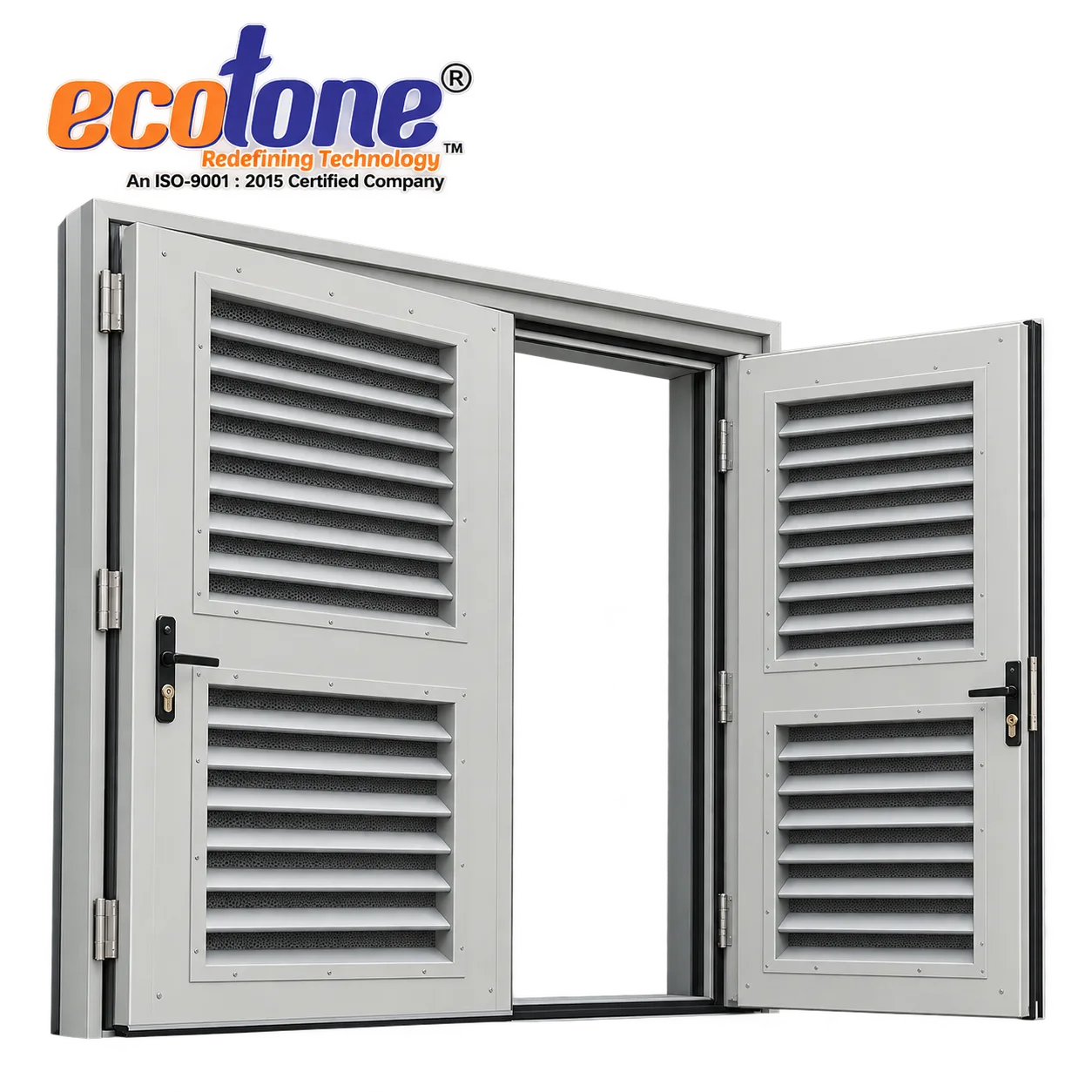
Personnel doors with built-in acoustic ventilation.
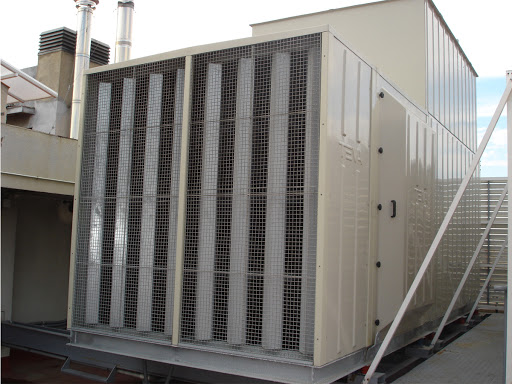
Silencers for ducts, fans, HVAC and DG ventilation.
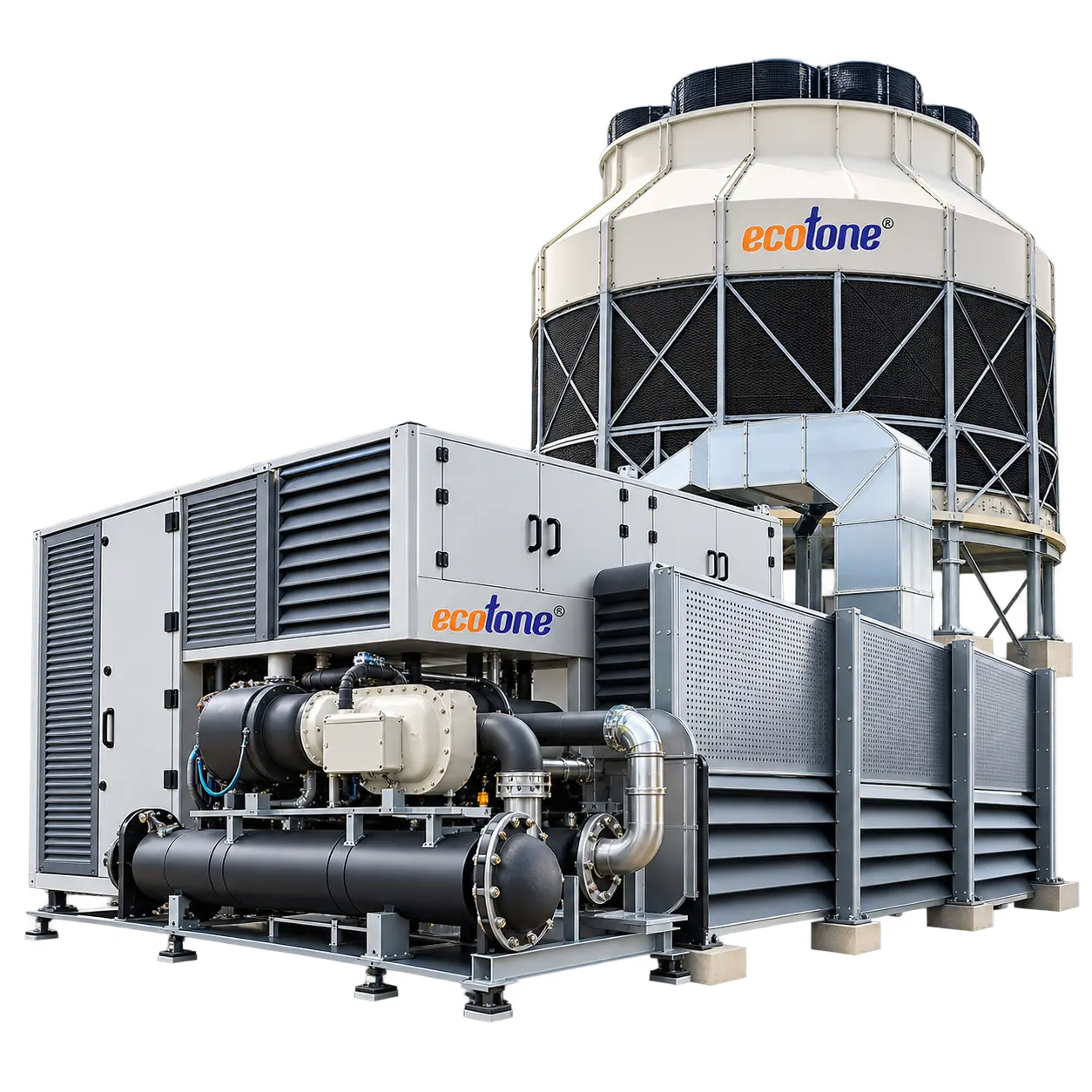
Noise control for chillers and cooling towers.
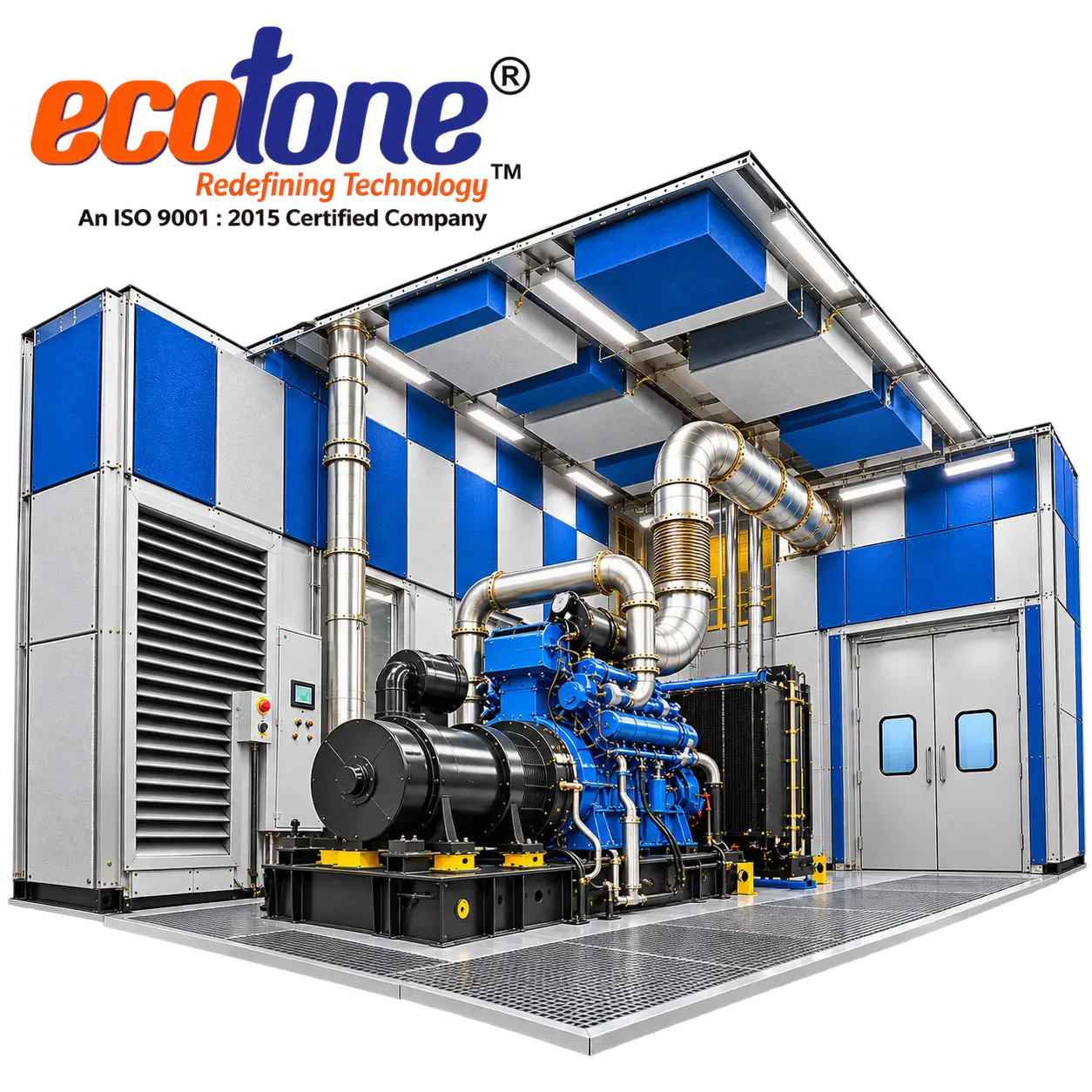
Wall, ceiling and door treatment for high-noise rooms.
Flexible soundproof curtains for machines and workshops.
Trusted by India's Leading Brands
Hover to pause · Logos scroll continuously