Introduction to Modular Cleanrooms Solutions
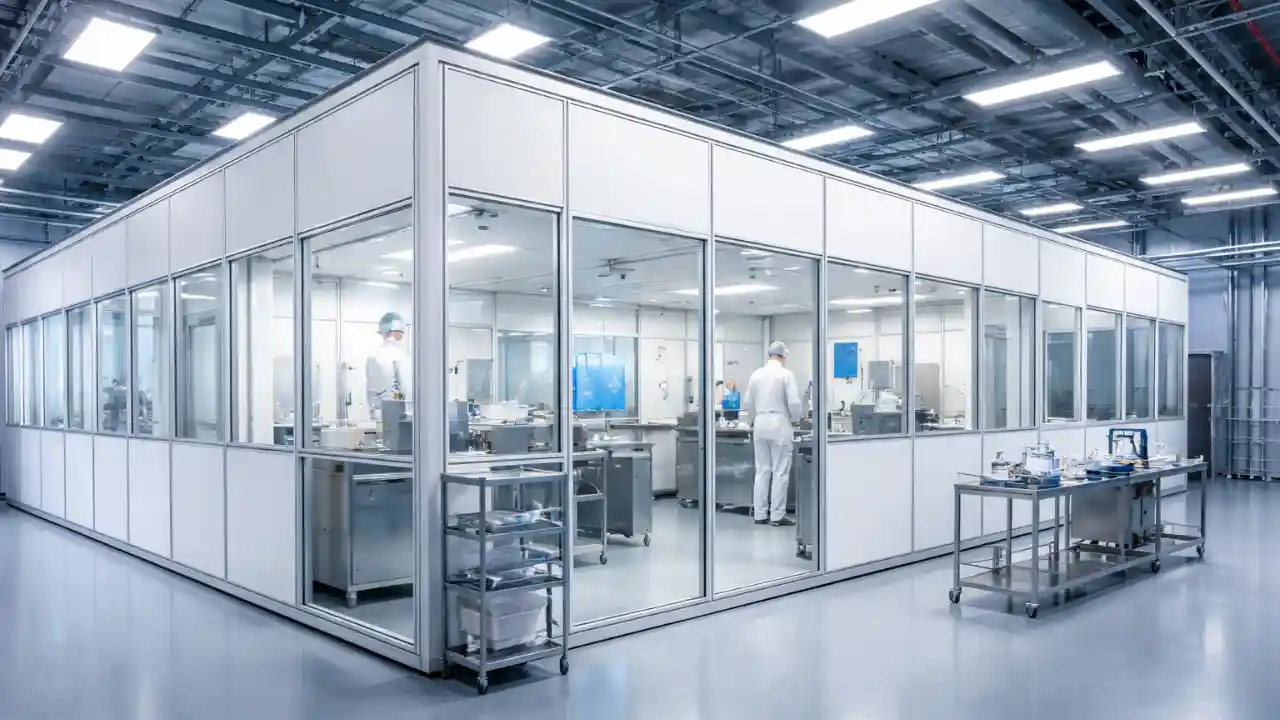
Industries that rely on precision manufacturing and contamination control are constantly looking for infrastructure that is reliable, scalable, and cost-efficient. In this evolving landscape, portable Modular Cleanrooms have emerged as a practical and forward-thinking solution. Unlike traditional brick-and-mortar cleanroom construction, portable systems are prefabricated, easy to install, and adaptable to changing operational requirements.
These cleanrooms are designed to maintain controlled levels of airborne particles, temperature, humidity, and pressure. Because they are constructed using engineered panel systems and integrated air handling units, they can be installed inside existing facilities without major structural modification. This flexibility has made them increasingly popular among growing businesses and expanding production facilities.
Why Portable Infrastructure Is Gaining Momentum
Modern manufacturing demands speed and flexibility. Companies can no longer afford extended downtime caused by lengthy construction processes. Portable controlled environments offer a faster turnaround time compared to conventional construction methods. Since most components are pre-engineered and factory-fabricated, installation can be completed efficiently with minimal disruption to ongoing operations.
Another key reason behind the rising adoption of Modular Cleanrooms is scalability. As production capacity increases, these systems can be expanded or reconfigured without dismantling the entire setup. This level of adaptability supports businesses that anticipate growth or frequently adjust workflows. In addition, the controlled and standardized manufacturing of cleanroom panels ensures consistent quality and performance.
Emerging Trends in Portable Cleanroom Design
Technological innovation continues to shape the future of portable cleanroom environments. One of the most noticeable trends is the integration of smart monitoring systems. Digital sensors now allow operators to track environmental conditions in real time, reducing manual checks and improving compliance with regulatory standards.
Energy efficiency is another area receiving significant attention. Advanced airflow management systems and optimized filtration designs are helping reduce operational costs while maintaining stringent cleanliness levels. Manufacturers are also focusing on sustainable construction materials that offer improved insulation and durability without increasing environmental impact.
The evolution of plug-and-play structures is further transforming how facilities deploy clean environments. Pre-assembled ceiling grids, lighting fixtures, and air handling modules simplify installation and reduce commissioning time. These advancements collectively demonstrate how Modular Cleanrooms are becoming more intelligent and performance-driven.
Industrial Applications Across Sectors
Portable cleanroom systems are widely used in industries where contamination control directly impacts product quality and safety. In pharmaceutical manufacturing, they support sterile production, formulation, and packaging processes. Strict compliance with cleanliness standards ensures product integrity and patient safety.
The medical device industry also depends heavily on controlled environments. Even microscopic contamination can compromise sensitive components, making cleanroom precision essential. Similarly, electronics and semiconductor manufacturing facilities use portable cleanrooms to protect delicate circuitry from dust and airborne particles.
Food processing facilities and research laboratories are also adopting portable cleanroom technology. By installing Modular Cleanrooms, these industries achieve consistent environmental control without committing to permanent structural changes.
Structural and Technical Features
The performance of a portable cleanroom depends largely on its construction quality. These systems are typically built using prefabricated sandwich panels that provide structural stability, insulation, and airtight sealing. High-efficiency particulate air filters play a central role in maintaining required cleanliness classifications.
Air handling units regulate airflow patterns to ensure uniform particle removal and pressure balance. Cleanroom-grade lighting, specialized flooring, and seamless wall finishes contribute to hygiene and ease of maintenance. Insulated panels often incorporate polyurethane foam cores, enhancing both thermal and acoustic performance.
Proper engineering ensures that Modular Cleanrooms deliver reliable containment and environmental control while remaining adaptable to future modifications.
Regulatory Compliance and Validation
Compliance with international standards is a critical aspect of cleanroom implementation. Facilities must align with ISO classifications and follow applicable Good Manufacturing Practices. Regulatory bodies require documented validation of airflow velocity, pressure differentials, and particle counts before operations begin.
Portable cleanroom systems are designed to meet these regulatory expectations when installed and tested correctly. Validation processes confirm that the environment consistently maintains required cleanliness levels. This structured approach ensures operational reliability and regulatory acceptance across industries.
Best Practices for Installation and Operation
Successful deployment begins with thorough planning. Site evaluation should consider available space, load-bearing capacity, electrical infrastructure, and workflow requirements. Designing the layout according to operational processes minimizes contamination risks and improves efficiency.
Professional installation is essential to achieve airtight sealing and proper airflow distribution. After installation, performance testing verifies compliance with cleanliness standards. Once operational, regular monitoring and preventive maintenance help sustain consistent environmental conditions.
By following these practices, businesses can maximize the long-term performance of Modular Cleanrooms and reduce unexpected operational interruptions.
Maintenance and Long-Term Performance
Maintenance is not merely a routine activity but a crucial factor in maintaining system efficiency. Scheduled filter replacements, surface cleaning with approved disinfectants, and continuous environmental monitoring protect the integrity of the controlled environment.
Annual validation audits further ensure that performance levels remain within required standards. Preventive maintenance programs extend equipment lifespan and reduce long-term operational costs. When managed properly, portable cleanrooms provide durable and dependable service for years.
Cost Efficiency and Return on Investment
Financial considerations often influence infrastructure decisions. Portable cleanroom systems typically involve lower construction costs compared to traditional builds. Because installation is faster and less labor-intensive, companies experience reduced downtime and quicker operational readiness.
Scalability also contributes to improved return on investment. Businesses can expand capacity without starting from scratch, making Modular Cleanrooms a financially strategic choice for both startups and established enterprises. Over time, energy-efficient designs further reduce operational expenses.
Future Outlook of Portable Clean Environments
The future of cleanroom infrastructure is closely linked with automation, sustainability, and digital monitoring. As industries such as biotechnology and advanced electronics continue to grow, the demand for flexible controlled environments is expected to rise.
Emerging innovations may include artificial intelligence-driven environmental management and enhanced modular integration techniques. These advancements will likely make Modular Cleanrooms even more efficient, responsive, and adaptable to evolving industrial needs.
Additional Services by Ecotone Systems
Ecotone Systems delivers comprehensive industrial infrastructure solutions beyond cleanroom construction. The company specializes in designing and manufacturing high-performance Pulpit Cabins engineered for operator safety, acoustic comfort, and operational efficiency in demanding industrial settings.
In addition to control room solutions, Ecotone Systems develops precision-engineered Anechoic Chambers designed for advanced acoustic testing and sound performance analysis. These chambers provide controlled environments essential for accurate measurement and evaluation.
The organization also manufactures Acoustic Enclosures for DG sets and heavy industrial equipment. These enclosures are built to reduce high-decibel noise levels while ensuring proper ventilation and safety compliance. Through these diversified offerings, Ecotone Systems supports industries seeking durable, compliant, and performance-driven infrastructure solutions.
Conclusion
Portable cleanroom systems represent a significant advancement in modern industrial infrastructure. Their adaptability, efficiency, and regulatory compliance make them a preferred choice for businesses operating in contamination-sensitive sectors. From pharmaceuticals to electronics manufacturing, organizations are recognizing the strategic value of flexible controlled environments.
When designed with precision and maintained properly, Modular Cleanrooms provide long-term operational reliability and measurable economic benefits. As industries continue to evolve, portable solutions will remain a cornerstone of efficient and scalable production environments.