The Growing Importance of Acoustic Enclosures in Modern Industrial Infrastructure
Ecotone Systems has been at the forefront of delivering engineered solutions for industrial sound control, and Acoustic Enclosures remain one of the most effective methods for managing excessive machine-generated noise. In today’s fast-growing industrial landscape, managing sound levels is no longer just a recommendation, it is a regulatory necessity. Industries operating diesel generator sets, compressors, turbines, and heavy manufacturing equipment face constant pressure to meet environmental norms while ensuring operational efficiency.
Noise pollution is a serious environmental and occupational health issue. Continuous exposure to high-decibel sound can lead to hearing damage, increased stress levels, lower workforce productivity, and even long-term health complications. Beyond internal workplace challenges, industrial noise can disturb surrounding residential and commercial zones, resulting in complaints, penalties, and reputational damage.
Government authorities in India have significantly tightened monitoring systems to ensure compliance with defined decibel limits. Businesses must now demonstrate effective noise control mechanisms during inspections and audits. This regulatory shift has made professionally designed Acoustic Enclosures a critical investment rather than an optional upgrade. By containing sound at its source, industries can create safer workspaces and maintain compliance without disrupting production efficiency.
Modern industrial growth demands smarter infrastructure planning. Companies that prioritize structured noise management not only meet legal requirements but also improve employee satisfaction and long-term sustainability performance.
Understanding Noise Pollution Regulations in India
India follows strict environmental sound standards defined by the Central Pollution Control Board (CPCB). These regulations categorize permissible noise levels for industrial, commercial, residential, and silence zones. While industrial zones allow relatively higher decibel levels, machinery must still operate within specified limits measured at the source and property boundary.
For example, DG sets installed in factories must meet noise emission norms prescribed under environmental protection laws. Manufacturers and facility owners are required to ensure that equipment operates within approved sound limits when measured at a defined distance.
State Pollution Control Boards conduct inspections and monitor industrial sites. Non-compliance may result in heavy fines, legal notices, or even temporary shutdown orders. This regulatory environment makes the installation of sound containment solutions essential for smooth business operations.
Why Industrial Noise Control Is No Longer Optional
Industrial noise is often underestimated until it becomes a compliance or safety issue. Prolonged exposure to high sound levels can reduce concentration, increase fatigue, and raise workplace accident risks. Occupational safety standards emphasize maintaining safe noise exposure levels to protect workers.
By installing Acoustic Enclosures around high-decibel machinery, industries significantly reduce ambient sound levels within operational areas. This not only improves safety but also enhances communication efficiency among workers.
Community relations are equally important. Factories located near residential zones frequently face noise complaints. Proactive sound management demonstrates corporate responsibility and prevents conflicts with local authorities.
How Acoustic Enclosures Help Meet Compliance Standards
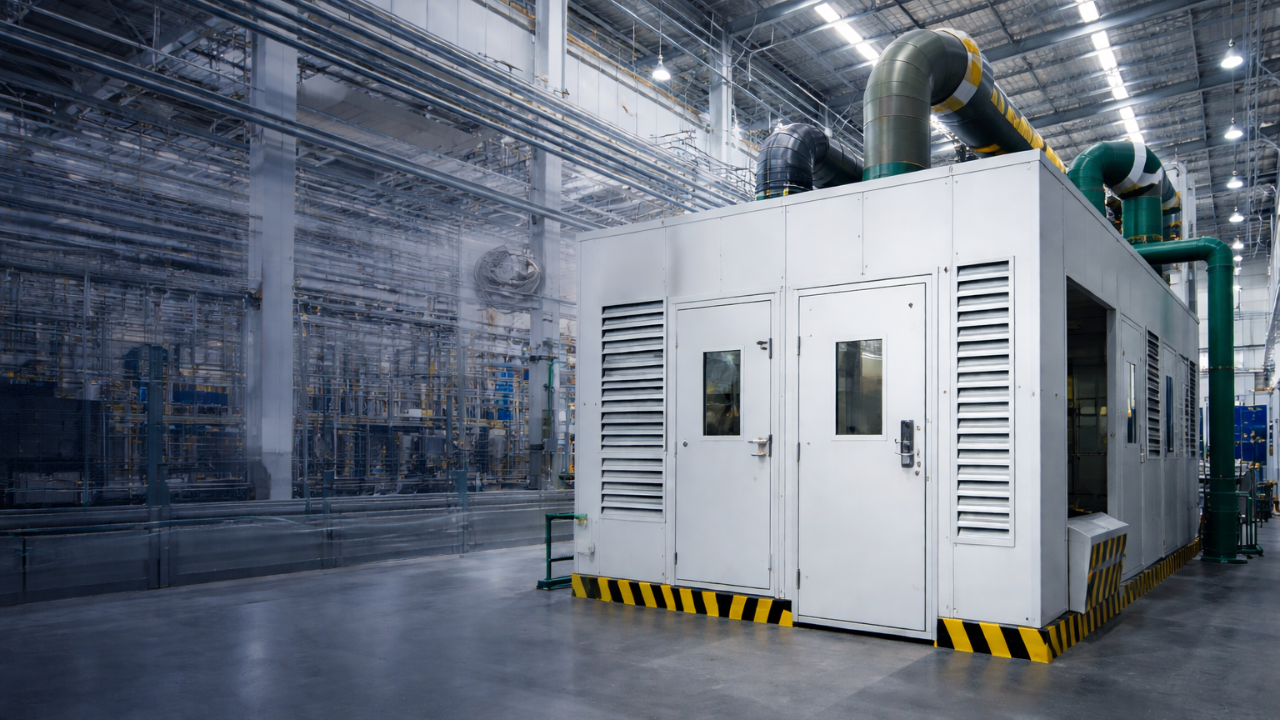
Containing noise at the source is the most effective way to achieve regulatory compliance. Acoustic Enclosures are engineered to absorb and block sound energy using insulated panels, acoustic linings, and vibration control systems.
These systems are custom-designed according to machine specifications, airflow requirements, and required sound attenuation levels. Proper sealing, acoustic doors, and ventilation silencers ensure minimal sound leakage while maintaining operational accessibility.
Many acoustic enclosure manufacturers design solutions specifically aligned with CPCB norms and international industrial standards. By implementing these solutions, companies simplify compliance documentation and inspection processes.
Key Industries That Require Acoustic Enclosures
Several sectors rely heavily on sound control systems. Power plants, steel processing units, pharmaceuticals, automotive facilities, infrastructure projects, and manufacturing plants commonly install Acoustic Enclosures.
DG sets are among the most common applications. Backup generators are essential for uninterrupted power supply, but they produce substantial noise. Enclosing them ensures that operational continuity does not compromise environmental standards.
Heavy compressors, turbines, blowers, and testing equipment also benefit from specialized sound containment structures. Industries operating round the clock particularly require reliable solutions to maintain compliance at all times.
Choosing the Right Acoustic Enclosure Manufacturers
Selecting experienced acoustic enclosure manufacturers is crucial for effective performance. Proper acoustic calculations, airflow engineering, and structural strength determine the success of a project.
Professional manufacturers conduct site surveys, measure decibel levels, and analyze environmental conditions before finalizing designs. They ensure that the enclosure balances sound attenuation with ventilation and maintenance accessibility.
Material quality also plays a significant role. Fire-retardant insulation, corrosion-resistant panels, and durable structural framing improve longevity and safety.
Why Businesses Prefer Acoustic Enclosure Manufacturers in India
Industrial growth in India has driven innovation in engineering and fabrication. Many companies now prefer acoustic enclosure manufacturers in India because they provide customized solutions aligned with local regulations and climatic conditions.
These manufacturers understand CPCB norms, site challenges, and project timelines. Local production reduces delivery delays and allows faster on-site support. Cost efficiency combined with technical expertise makes them a preferred choice for industrial noise control projects.
The Role of Reliable Acoustic Enclosure Suppliers
In addition to manufacturing expertise, trusted acoustic enclosure suppliers ensure timely procurement and installation coordination. Suppliers manage panel systems, ventilation components, silencers, and structural elements required for complete sound containment.
Working with reliable suppliers minimizes installation errors and ensures seamless integration of acoustic materials. Long-term after-sales support and maintenance services further enhance performance reliability.
Design Factors That Impact Performance
The effectiveness of Acoustic Enclosures depends on engineering precision. Panel density, insulation thickness, sealing methods, and vibration isolation techniques all influence sound reduction capability.
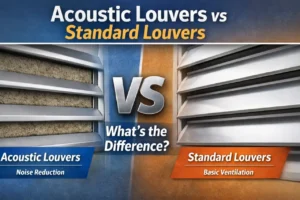
Ventilation systems must be carefully designed to prevent overheating. Acoustic louvers and silencers help maintain airflow without compromising attenuation performance.
Proper structural isolation prevents vibration transfer through foundations and surrounding structures. Regular maintenance checks ensure consistent compliance with regulatory standards.
Cost vs Long-Term Benefits of Noise Control
Although initial installation may seem like a capital investment, the long-term advantages outweigh the cost. Acoustic Enclosures help prevent regulatory penalties, improve worker productivity, and enhance workplace safety.
Reduced employee health risks lower compensation claims and absenteeism. Community goodwill protects brand reputation and supports sustainable operations. Over time, industries realize measurable returns through operational stability and compliance assurance.
Additional Services by Ecotone Systems
Ecotone Systems provides comprehensive industrial infrastructure solutions beyond sound control systems.
Modular Cleanroom Solutions
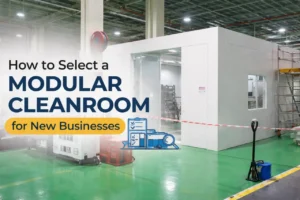
For pharmaceutical, electronics, and healthcare industries, the company delivers advanced modular cleanroom environments using insulated panel technology and controlled airflow systems.
Acoustic Anechoic Chamber
Ecotone Systems also designs specialized acoustic anechoic chamber facilities for sound testing and research applications requiring echo-free measurement environments.
Noise Barrier Systems
For large-scale projects, the company installs noise barrier systems along industrial perimeters and infrastructure corridors to reduce environmental sound transmission effectively.
By integrating expertise across these services, Ecotone Systems supports industries in achieving complete environmental and operational compliance.
Conclusion
Noise pollution regulations in India are becoming increasingly strict, making proactive sound management essential for industrial operations. Businesses must prioritize structured noise control strategies to maintain compliance and protect workforce health.
Investing in well-designed Acoustic Enclosures ensures long-term operational stability, regulatory approval, and improved workplace safety. Partnering with experienced acoustic enclosure manufacturers, trusted acoustic enclosure suppliers, and reliable acoustic enclosure manufacturers in India enables industries to achieve efficient and sustainable noise control solutions.