
- Serving Industries Across India
Noise Barrier Manufacturer in India | Road & Highway Noise Barriers
Noise Barriers for Highways, Roads, Railways & Metro Corridors
Summary: A noise barrier, also called a sound barrier wall or highway noise barrier, is a solid, sound-absorbing wall built between a road, railway, or plant and the people next to it, so that traffic and machinery noise is blocked and absorbed instead of reaching homes, schools, and offices. Ecotone Systems manufactures modular metal noise barrier panels in India, built from 18 SWG powder-coated GI sheet with a 100 mm rock wool core, designed to reduce noise by approximately 15 to 20 dB at one metre depending on site and barrier height. This page is for highway and metro project engineers, EPC contractors, and plant owners who need to specify, compare, or troubleshoot a noise barrier.
- Approx. 15 to 20 dB reduction at 1 m, site dependent
- Design, manufacture, installation & commissioning
- ISO 9001:2015 certified manufacturer
Get a project quote
Tell us about your requirement and site. Our team typically responds within 24 hours on business days.
Is This Noise Barrier Guide Right for You?
Who It's For
Highway and expressway projects, flyovers and elevated roads, metro and railway corridors, industrial plants with noisy yards, substations, and housing or institutions next to heavy traffic.
When to Use This Guide
Before finalising a noise barrier manufacturer, while comparing dB claims and panel specifications across quotes, or when an installed sound barrier wall has not made a neighbourhood as quiet as expected.
What Is a Noise Barrier?
A noise barrier, also called a sound barrier wall, highway noise barrier, road noise barrier, or acoustic barrier, is an outdoor wall placed between a noise source and the people who need protecting. It works by blocking the direct path of sound and, on the absorptive face, soaking up the sound that would otherwise reflect back across the road. Ecotone Systems manufactures modular noise barrier panels from 18 SWG galvanized iron (GI) sheet, powder coated, with a perforated face and a 100 mm rock wool infill of 64 kg/m³ density conforming to IS 8183. Panels slot into steel posts on a designed foundation, so a sound barrier wall can be built along a highway, metro viaduct, or plant boundary without heavy site work. If you needed the one-line definition, that is it. The sections below cover what separates a noise barrier that performs from one that only looks like a wall.
Why Indian Roads, Rail Corridors, and Plants Need Engineered Noise Barriers
Traffic is one of the biggest sources of noise pollution in Indian cities, and new expressways, elevated roads, and metro lines are being built closer to homes than ever. India’s Noise Pollution (Regulation and Control) Rules, 2000 set ambient limits of 55 dB(A) by day and 45 dB(A) by night for residential areas, and 50 and 40 dB(A) for silence zones around hospitals and schools. A busy carriageway can exceed these by a wide margin, and the gap is largest at night. Industrial sites face the same limits at their boundary for cooling towers, compressors, DG sets, and transformers. A properly designed noise barrier wall is often the only practical way to close that gap when the source itself cannot be quietened, which is why highway authorities, metro operators, and plant owners now specify engineered acoustic barriers rather than plain boundary walls.
Specifications, Benefits, Applications & Installation Process
| Parameter | Standard Specification |
|---|---|
| Panel Material | 18 SWG galvanized iron (GI) sheet |
| Finish | Powder coated, weather resistant |
| Sound-Facing Side | Perforated sheet for absorption |
| Acoustic Infill | 100 mm rock wool, 64 kg/m³, conforming to IS 8183 |
| Noise Reduction | Approx. 15 to 20 dB at 1 m, site and height dependent |
| Construction | Modular panels in steel posts |
| Support | Designed foundation with floor-mounted support frame |
| Customisation | Height, length, colour, and panel layout per site |
| Benefit | Impact |
|---|---|
| Lower Noise at Receivers | Blocks and absorbs traffic and machinery noise before it reaches homes |
| Absorptive Face | Reduces sound reflected back across the road |
| Modular Build | Faster installation and easy panel replacement |
| Weather Resistance | Galvanized, powder-coated panels for outdoor exposure |
| Low Maintenance | Long service life with minimal upkeep |
| Compliance Support | Helps meet ambient noise limits at sensitive receivers |
| Design Flexibility | Colours and heights to suit the corridor |
| Application | Typical Site |
|---|---|
| Highways and Expressways | Residential and institutional stretches |
| Flyovers and Elevated Roads | Edges facing housing |
| Metro and Railway Corridors | Viaducts and at-grade track |
| Industrial Boundaries | Cooling towers, compressors, DG sets, blowers |
| Substations and Power Plants | Transformer and equipment yards |
| Utilities and Treatment Plants | Pumping stations, water treatment, gas facilities |
| Construction Sites | Temporary or semi-permanent screening |
| Step | Action |
|---|---|
| 1. Noise Survey | Measure existing levels at the source and at receivers |
| 2. Acoustic Design | Set barrier height, length, and position to break line of sight |
| 3. Structural Design | Design posts and foundation for wind and site loads |
| 4. Fabrication | GI panels perforated, filled with rock wool, and powder coated |
| 5. Foundation Work | Footings and support frame prepared on site |
| 6. Panel Installation | Panels fixed into posts with joints sealed |
| 7. Verification | Post-installation noise measurement at receivers |
Technical Data Sheet
| Property | Value / Standard |
|---|---|
| Product | Modular Road and Highway Noise Barrier |
| Sheet | 18 SWG GI, powder coated |
| Face | Perforated for sound absorption |
| Infill | Rock wool, 100 mm thick, 64 kg/m³ (IS 8183) |
| Noise Reduction | Approx. 15 to 20 dB at 1 m, site dependent |
| Mounting | Steel posts, designed foundation, floor-mounted frame |
| Exposure | Rain, wind, and UV resistant finish |
| Maintenance | Minimal, with replaceable panels |
How Does a Noise Barrier Reduce Traffic Noise?
Short answer: A noise barrier blocks the straight line between the source and the listener, so sound has to bend over the top to get through, and that bending loses energy. A perforated, absorptive face also soaks up sound instead of reflecting it to the other side of the road.
Blocking
A solid wall stops the direct sound path to the receiver.
Diffraction Loss
Sound bending over the top edge arrives weaker.
Absorption
Rock wool behind the perforated face absorbs incident sound.
Mass and Sealing
Dense, gap-free panels stop sound passing through.
How High Should a Highway Noise Barrier Be?
Short answer: High enough to break the line of sight between the noise source, such as tyres and engines, and the windows you are protecting, with extra height for each additional decibel you need.
A barrier that only just hides the traffic gives a modest reduction, and each extra metre of height adds attenuation with diminishing returns. In practice, road noise barriers rarely deliver much more than about 20 dB, however tall they are, because sound also travels around the ends and is scattered by the atmosphere. Height must also be checked against upper floors: a 3 m wall can protect ground and first-floor windows yet do little for the fifth floor of a building that looks over it. That is why barrier height should come from a noise survey and receiver positions, not from a standard drawing.
Gaps, Joints, and Ends Decide Real-World Performance
A noise barrier is only as good as its weakest path. Gaps under panels, open joints between them, and openings for drains or access doors let sound leak straight through, and even a small open area noticeably reduces the benefit. The ends matter too: if the wall stops short, traffic noise simply comes around it. Good practice is to seal the base, overlap or gasket the joints, and extend the barrier well past the last protected building. When comparing quotes, ask how joints and the base are sealed, not just what the panel is made of.
Absorptive vs Reflective Sound Barrier Walls
A plain reflective wall, such as concrete or solid sheet, protects the side behind it but bounces noise back across the road. Where there are buildings on both sides, or barriers on both edges of a carriageway, those reflections can raise noise on the opposite side. An absorptive acoustic barrier, with a perforated face and mineral wool core like Ecotone’s metal noise barrier, reduces those reflections. European standards EN 1793 (acoustic performance) and EN 1794 (non-acoustic and structural performance) are widely referenced for rating road traffic noise reducing devices, and are useful benchmarks when comparing products. See also our metallic noise barriers, transparent noise barrier, and concrete sound barrier walls.
Ecotone Systems: Design, Manufacture, Installation, and Commissioning
Ecotone Systems is an ISO 9001:2015 certified manufacturer that designs, manufactures, installs, and commissions noise barriers across India, alongside polycarbonate noise barriers, acoustic enclosures, and transformer noise control. Each sound barrier wall is engineered against a measured noise problem and site conditions, with modular panels that are quick to install and easy to maintain.
How to Choose a Noise Barrier Manufacturer in India
Ask for Acoustic Test Data
Request absorption and sound insulation figures, and the standard and test method behind any dB claim.
Check the Design Basis
Confirm barrier height and length were derived from a noise survey and receiver positions.
Verify Materials
Check sheet gauge, galvanizing and coating, and infill density and standard, such as IS 8183 for rock wool.
Review Structural Design
Ask for post spacing and foundation design for local wind loads.
Inspect Joint and Base Sealing
Ask how gaps under and between panels are sealed against leaks.
See Similar Installations
Ask for highway, metro, or industrial projects similar to yours.
Frequently Asked Questions
An outdoor wall that blocks and absorbs noise between a source and nearby people.
Ecotone barriers are designed for approximately 15 to 20 dB at 1 m, depending on site and height.
Ecotone panels use 18 SWG powder-coated GI sheet with a 100 mm rock wool core.
High enough to break line of sight to the windows you need to protect.
Yes, galvanized and powder-coated panels are built for rain, wind, and UV.
Absorptive barriers soak up sound, reflective walls bounce it back across the road.
Yes, for cooling towers, compressors, DG sets, transformers, and plant boundaries.
Yes, gaps and open joints let sound leak through and reduce performance.
Yes, panels fit into steel posts, so they install quickly and can be replaced.
55 dB(A) by day and 45 dB(A) by night under the Noise Rules, 2000.
Get a Project Quote for Noise Barriers
Whether you need a highway noise barrier, a metro corridor sound barrier wall, or an acoustic barrier around plant equipment, Ecotone Systems designs, manufactures, installs, and commissions it against a measured noise problem, not a standard drawing. Tell us the site, the noise source, and the length and height needed, and our team typically responds within 24 hours on business days.

Absorptive steel barrier panels for highways and plants.

Clear, impact-resistant barriers for urban corridors.

Barriers that block noise while keeping views open.
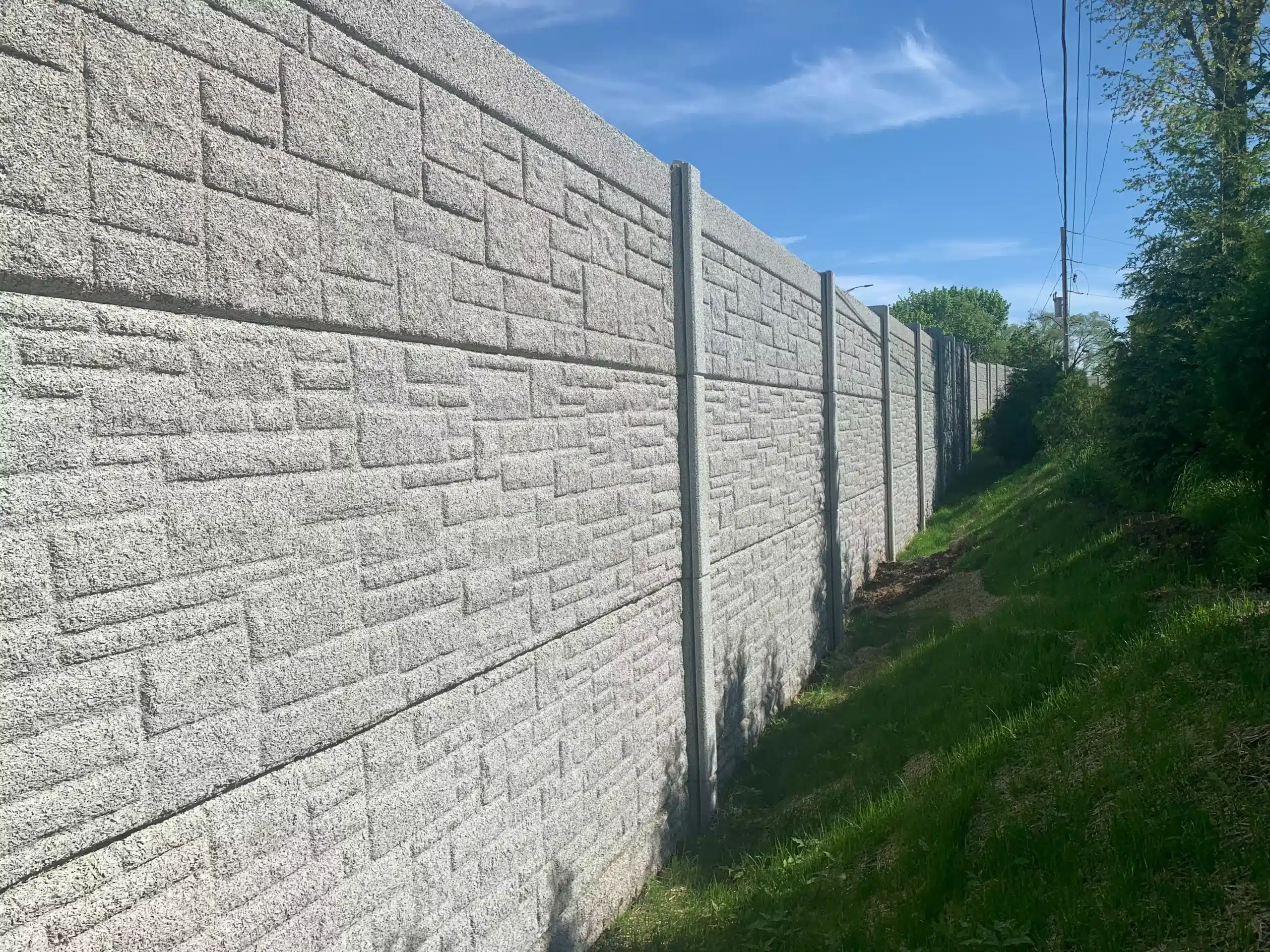
High-mass precast panels for highways and railways.
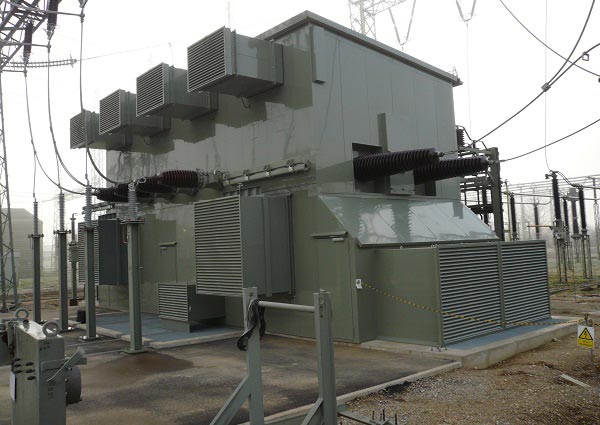
Barriers and enclosures for transformer hum.
Trusted by India's Leading Brands
Hover to pause · Logos scroll continuously