Understanding the Need for Fire-Rated Soundproof Doors
Creating safe, quiet, and comfortable interiors often requires more than basic construction materials. Modern buildings whether commercial, industrial, or residential demand solutions that can handle both fire protection and noise control. This is where fire-rated soundproof doors play a critical role. These specialized doors blend two essential performance features: the ability to resist fire for a designated period and the ability to block or reduce unwanted noise. As construction standards evolve and acoustic comfort becomes a priority, these doors have become a crucial element in sensitive and high-traffic environments.
What Are Fire-Rated Soundproof Doors?
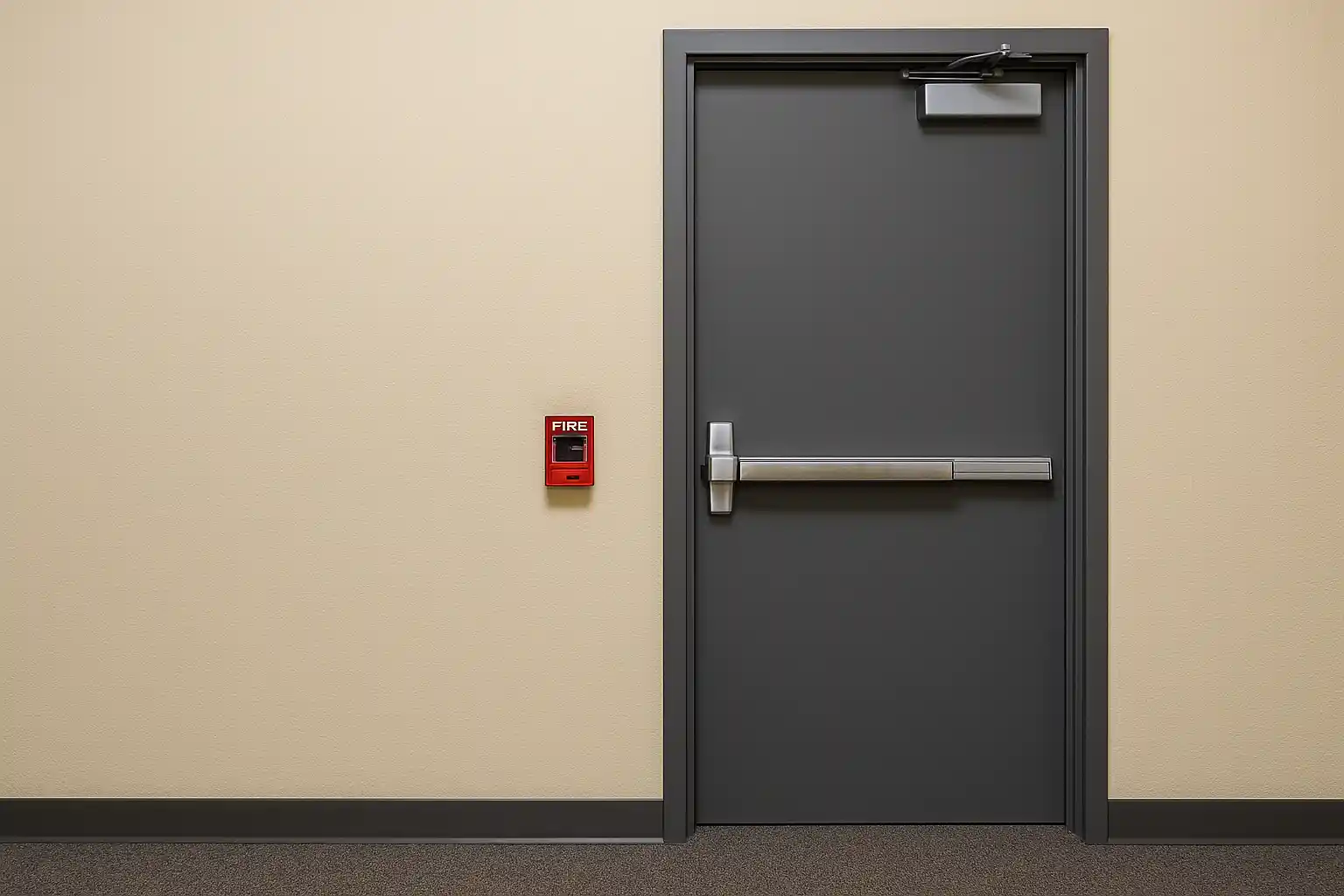
Fire-rated soundproof doors are engineered systems designed to withstand intense heat while also providing superior noise reduction. They work by combining a fire-resistant core, heat-expanding seals, and high-density acoustic materials. This dual-function design makes them more advanced than a standard soundproof door, which primarily focuses on blocking noise. A fire-rated model ensures that smoke and flames remain contained while the door continues to reduce sound transmission in critical areas.
These doors are often designed with special layers of gypsum board, mineral wool, steel sheets, or composite materials. When a fire occurs, the seals expand to block gaps and prevent the spread of flames. At the same time, the dense structure absorbs sound waves, offering high Sound Transmission Class (STC) ratings. Whether the space requires safety compliance, acoustic privacy, or both, these doors achieve the balance effectively.
Why Fire-Rated Soundproof Doors Are Important
The importance of fire-rated soundproof doors can be seen across multiple industries. Noise pollution and fire hazards pose both practical and legal challenges in modern buildings. Hospitals, manufacturing plants, commercial facilities, and residential high-rises all face strict acoustic and fire-safety standards. Installing a door that fulfills both requirements not only enhances occupant comfort but also protects lives and property during an emergency.
In areas where machinery, HVAC equipment, or busy human activity generates significant noise, a standard door cannot create the needed sound barrier. At the same time, ignoring fire safety exposes the facility to major risks. Fire-rated acoustic doors address both concerns, helping buildings meet regulatory norms and improve overall operational efficiency.
Professional Comparison Table: Fire-Rated Soundproof Door vs Standard Soundproof Door
Below is a professional and clearly aligned comparison that highlights the difference between the two door types and explains why fire-rated variants are essential in demanding environments.
| Feature | Fire-Rated Soundproof Door | Standard Soundproof Door |
| Safety Rating | Provides certified fire resistance (30–120 minutes) | No fire-resistance certification |
| Construction | Steel, gypsum layers, mineral wool, intumescent seals | Acoustic core only, no fire-protection layers |
| Primary Purpose | Noise control + fire containment | Noise control only |
| Ideal Environments | Hospitals, studios, data centers, industrial sites, emergency zones | Offices, homes, meeting rooms |
| Compliance | Meets fire and acoustic codes | Only meets acoustic requirements |
This table shows how fire-rated soundproof doors clearly outperform standard models when both safety and acoustic performance are required.
Where Fire-Rated Soundproof Doors Are Required
There are specific environments where combining soundproofing and fire protection is not optional but mandatory. These include buildings where sensitive equipment, confidential discussions, or high-risk operations occur. For example, data centers require acoustic isolation to reduce noise from cooling systems, while also needing fire-rated doors to protect expensive servers. Hospitals use these doors in diagnostic rooms, ICUs, and operation theaters to ensure patient privacy and safety.
Industrial facilities rely on acoustic doors and acoustical doors to reduce the noise from heavy machinery, compressors, or generators while keeping emergency exits compliant with fire-safety codes. Recording studios, broadcasting rooms, and media houses prefer these solutions to maintain sound integrity without compromising safety standards. Residential high-rises and hotels often install them in corridors, service areas, and control rooms.
How Fire-Rated Soundproof Doors Work
The effectiveness of a fire-rated soundproof door lies in the synergy of its material layers. These doors incorporate heavy-duty seals that expand under extreme heat to block smoke leakage. Inside, the dense core materials absorb and reduce noise transmission. High-pressure steel sheets or composite layers add strength and prevent deformation under heat.
The integration of specialized hinges, seals, and multi-layer construction ensures that the door performs consistently even after prolonged use. Acoustic performance is measured through STC ratings, while fire performance is verified through resistance tests. The result is a door that protects occupants from both noise disturbance and fire hazards, offering peace of mind and long-term reliability.
Additional Acoustic Solutions by Ecotone Systems
Along with manufacturing high-performance soundproof doors, acoustic doors, and acoustical doors, Ecotone Systems also offers a range of advanced noise-control solutions. The company provides sound attenuators for HVAC systems, which control airflow noise in commercial and industrial spaces. They also manufacture acoustic ceiling baffles, designed to absorb sound reflections from large areas such as halls, factories, and auditoriums. For high-risk environments, Ecotone delivers blast-resistant doors, engineered to withstand extreme pressure and protect critical infrastructure.
These solutions collectively strengthen the acoustic and safety profile of any building, making Ecotone Systems a comprehensive partner in noise control and structural protection.
FAQs About Fire-Rated Soundproof Doors
Q1. What is a fire-rated soundproof door?
A fire-rated soundproof door is a specially engineered door that combines fire resistance with high-level noise reduction. It blocks the spread of flames and smoke while reducing sound transmission, making it ideal for safety-critical and noise-sensitive areas.
Q2. How is a fire-rated soundproof door different from a regular soundproof door?
A regular soundproof door focuses only on reducing noise, while a fire-rated soundproof door offers both acoustic insulation and certified fire protection. This dual-purpose design is required in hospitals, studios, industrial spaces, and data centers.
Q3. Where are fire-rated soundproof doors required?
They are commonly required in hospitals, industrial plants, control rooms, studios, commercial buildings, electrical rooms, and data centers. These environments need both noise control and strict fire-safety compliance.
Q4. What materials are used in fire-rated acoustic doors?
These doors are typically built using steel sheets, gypsum board layers, mineral wool, and intumescent fire seals. The combination of these materials provides structural strength, sound absorption, and fire resistance.
Q5. Do fire-rated soundproof doors improve energy efficiency?
Yes. Their dense core and tight sealing help reduce sound leakage and air gaps, which also prevents unwanted heat transfer. This improves thermal performance and contributes to lower energy costs in temperature-controlled environments.