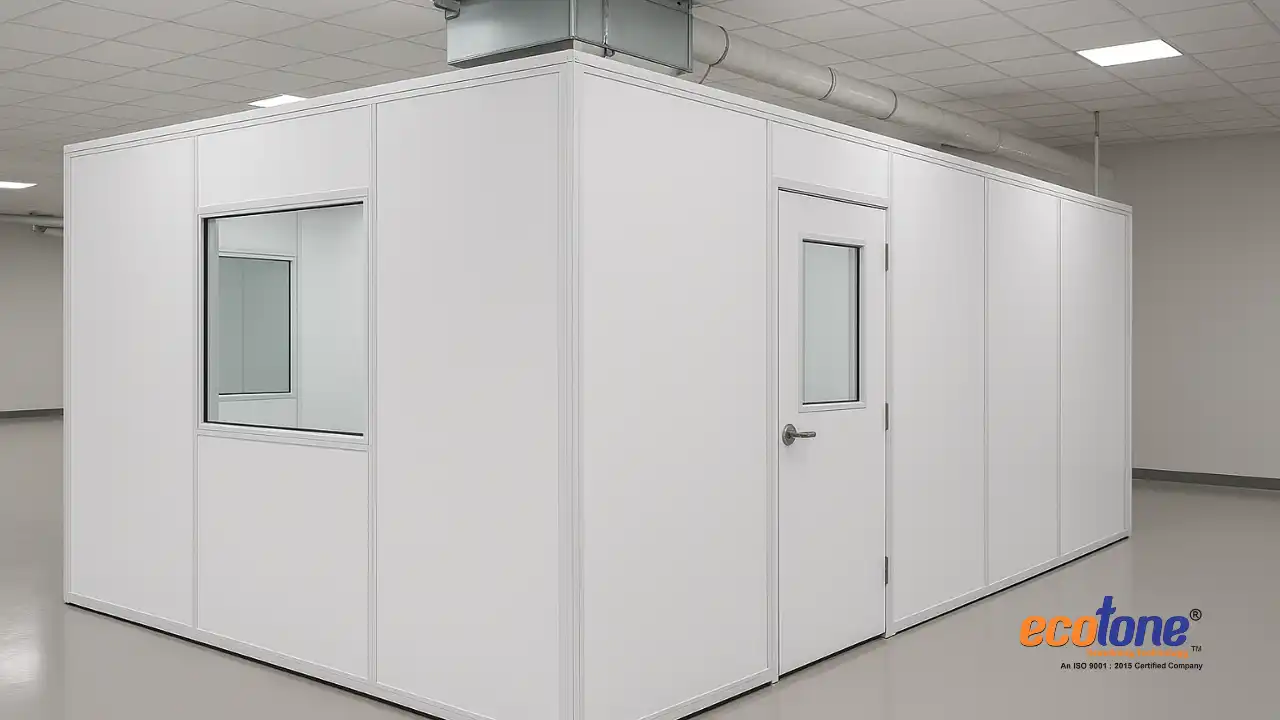
Designing the right modular clean room is a strategic decision that influences product quality, compliance readiness, production efficiency, and long-term operational stability. As industries such as pharmaceuticals, biotechnology, aerospace, semiconductors, electronics, and medical devices continue to evolve, the need for high-performance controlled environments becomes unavoidable. Modern organizations increasingly prefer modular setups over traditional construction because modular systems offer flexibility, speed, scalability, and superior environmental control. However, the challenge lies in finding the perfect balance between cost and performance so the investment aligns with both operational demands and financial limitations.
A well-planned cleanroom investment does not depend on choosing the most advanced option but on understanding how much performance your processes genuinely require. When you evaluate the relationship between budget and performance early, you reduce unnecessary expenses while ensuring that environmental control remains consistent, compliant, and efficient. This guide helps you navigate this decision-making process by understanding how cleanroom components, structural choices, and engineering systems affect both the cost and the long-term performance of your facility.
Understanding the True Value of a Modular Clean Room
A modular clean room is more than a sealed environment with filtered air. It is a highly engineered space designed to control temperature, humidity, pressure, particulate levels, and airflow patterns with precision. The real value of modular structures lies in their adaptability, which is far superior to traditional civil construction. Whether an organization needs a new environment or intends to upgrade an existing one, modular cleanrooms allow expansion, relocation, or reconfiguration with minimal disruption.
The performance of a cleanroom is defined by the interaction of elements such as cleanroom wall panels, modular clean room panels, HVAC systems, HEPA or ULPA filters, lighting systems, pass boxes, cleanroom doors, ceiling grids, and monitoring controls. Each component contributes individually to cost and collectively to performance quality. Selecting the optimal configuration requires clarity about contamination sensitivity, process requirements, regulatory standards, and growth expectations. A higher ISO classification always increases precision but also increases cost, which is why performance should match exact operational needs rather than exceed them without purpose.
Why Cost Versus Performance Evaluation Matters
Every organization faces a common dilemma during cleanroom planning. High-performance cleanrooms offer extreme control and consistency, but these systems require powerful HVAC units, advanced filtration, and premium-grade materials. Meanwhile, choosing a lower-cost setup may jeopardize environmental stability or limit compliance capability. A clear cost versus performance evaluation helps determine which features are essential and which upgrades are unnecessary for your intended process.
A business that requires ISO 5 conditions must invest in high air-change rates and superior filtration. Another facility working with non-sterile electronics assembly may only need ISO 7 or ISO 8, which brings down both installation and operational costs significantly. Choosing based on relevance ensures that the cleanroom delivers value throughout its life cycle rather than inflating the budget with unneeded capabilities.
Major Factors That Influence Cleanroom Cost
The cost of a modular clean room depends on various elements that directly affect technical performance. Cleanliness level is typically the biggest cost driver because stricter ISO classes require more air changes per hour and more advanced airflow systems. The structural choice also plays a significant role, with softwall panels offering economical solutions while rigid modular cleanroom wall panels deliver higher durability, strength, and performance.
HVAC design is another major component because temperature control, humidity stability, and pressure balancing are essential for contamination control. These systems run continuously, making them one of the largest contributors to both initial cost and long-term operational expenses. Additional architectural components such as viewing windows, flush doors, epoxy or vinyl flooring, pass boxes, and LED lighting add to the cost depending on complexity and quality. Automation, monitoring, and alarm systems also increase initial investment but enhance reliability and performance consistency.
For Any Inquiries Please Email
Our team typically responds within 24 hours on business days.
Contact UsUnderstanding Cleanroom Performance Requirements
Cleanroom performance is defined by how well the environment maintains consistent and predictable internal conditions. This includes airflow velocity, particulate removal efficiency, pressure differentials, temperature range, humidity stability, and airflow patterns. Industries handling microelectronics, optics, injectable pharmaceuticals, biotechnology cultures, or aerospace components require strict environmental control because even minor contamination can damage products or compromise safety.
Other industries require moderate performance levels that still ensure cleanliness and controlled conditions but without the extreme precision needed for ultra-sensitive manufacturing. Understanding your process sensitivity helps determine whether your cleanroom should be designed for basic assembly or engineered for high-level contamination control. This distinction has a direct impact on both upfront costs and the long-term expenses of maintenance and energy use.
Cost and Performance Comparison of Modular Cleanroom Types
Here is the professional table comparing different cleanroom setups while still maintaining a clean, paragraph-friendly format everywhere else.
Cleanroom Cost–Performance Comparison
| Cleanroom Type | Approximate Cost Level | Performance Level | Ideal Application |
|---|---|---|---|
| Basic Softwall Modular Clean Room | Low to Medium | Moderate airflow control using flexible curtain walls | Packaging, general assembly, sampling rooms |
| Hardwall Modular Clean Room | Medium to High | High precision contamination control with rigid cleanroom wall panels | Electronics, medical devices, biotechnology labs |
| Hybrid Modular Clean Room | Medium | Balanced performance with a combination of modular clean room panels and softwalls | Research centers, pilot production, growing facilities |
| High-Performance ISO-Class Modular Clean Room | High | Maximum contamination control with ULPA or high-grade HEPA filtration | Pharmaceuticals, aerospace, semiconductors |
This comparison shows how cost and performance shift based on cleanroom structure and operational needs. Softwall cleanrooms are cost-efficient but offer lower physical rigidity. Hardwall systems provide superior environmental stability, while hybrid structures deliver flexibility. High-performance cleanrooms offer the strictest contamination control but require the largest financial investment.
Aligning Cleanroom Performance with Your Budget
Balancing cost and performance begins with evaluating your specific operational requirements. Processes demanding sterile conditions or particle-free environments cannot compromise on performance. However, if your application involves basic testing, inspection, or non-sensitive assembly, a mid-range cleanroom offers adequate control without unnecessary expenditure.
Long-term operational savings also play a crucial role in cleanroom selection. Energy-efficient HVAC systems, though more expensive initially, significantly reduce electricity consumption. Similarly, durable modular clean room panels reduce maintenance needs and extend cleanroom life. Cleanrooms designed with future expansion in mind also reduce long-term construction costs because additional sections can be added without major structural changes.
Scalability is one of the strongest benefits of modular designs. As demand grows or processes evolve, cleanrooms can be expanded or upgraded by adding new panels, integrating advanced filters, or extending airflow systems. This capability enables gradual investment rather than full-scale construction at the start.
Energy Efficiency and Long-Term Cost Reduction
Energy consumption is often overlooked when planning cleanrooms, even though HVAC systems account for most of the long-term costs. High-performance cleanrooms require high air-change rates, which increases power consumption. Selecting energy-efficient components, smart monitoring systems, and optimized airflow patterns creates a stable environment while reducing utility expenses.
Advanced ventilation systems with variable-speed control improve adaptability, and well-insulated modular cleanroom panels reduce temperature loss, which improves HVAC performance. Over several years, these efficiency improvements deliver significant cost savings, especially in continuous operations.
Scalability and Flexibility as Cost-Saving Advantages
One of the strongest advantages of modular cleanroom systems is their scalability. Companies can begin with a small footprint and expand gradually. Prefabricated structures and prefab clean rooms allow quick installation without interrupting ongoing operations. This flexibility is crucial for industries experiencing fluctuating demand or evolving production lines.
Modular systems minimize downtime during upgrades because new sections can be added without disrupting existing cleanroom zones. This adaptability makes modular cleanrooms ideal for businesses that expect growth, diversification, or process modification in the future.
Regulatory Compliance and Its Influence on Cost
Cleanrooms must adhere to ISO, GMP, FDA, or industry-specific standards. Compliance is essential because non-compliance can lead to product failures, regulatory warnings, or shutdowns. High-quality engineering, certified materials, and precise airflow systems ensure that the cleanroom consistently meets guidelines. Investing in compliance early reduces the likelihood of expensive modifications later.
Ecotone Systems: Your Reliable Partner for Modular Cleanroom Solutions
Ecotone Systems is one of India’s leading modular clean room manufacturers, specializing in innovative, efficient, and scalable cleanroom solutions. The company designs and manufactures advanced cleanrooms built using premium modular clean room panels, energy-efficient HVAC systems, and precision-controlled filtration technologies.
Ecotone Systems delivers complete turnkey services including design consulting, layout engineering, panel manufacturing, structural fabrication, HVAC installation, electrical integration, testing, and validation. Their solutions range from softwall cleanrooms and rigid-panel modular cleanrooms to fully prefabricated clean room enclosures and portable clean room setups. Every cleanroom is engineered to balance cost and performance while meeting strict compliance requirements.
Ecotone also specializes in cleanroom expansions, upgrades, and retrofitting. Their modular designs allow clients to increase capacity or upgrade ISO classifications without major reconstruction, which minimizes downtime and preserves operational continuity. With deep industry expertise and a reputation for engineering excellence, Ecotone Systems continues to support India’s leading industries with cleanrooms that are durable, efficient, and budget-friendly.
Recent Project: Acoustic Enclosure for Engine Test Bed – Dharwad, Karnataka
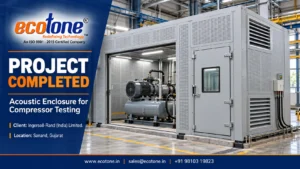
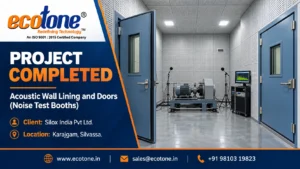
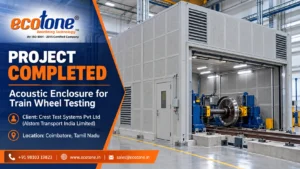
We are proud to announce the successful completion of a custom Acoustic Enclosure for a Engine Test Bed for Nidec Industrial Automation India Pvt Ltd in Dharwad, Karnataka. This project demonstrates our expertise in designing solutions that reduce noise, enhance workplace safety, and improve operational efficiency.
Final Thoughts: Making a Smart, Budget-Friendly Cleanroom Investment
Choosing the right modular clean room is not about selecting the most expensive system or the most basic one. It is about identifying the cleanroom performance level that aligns with your production needs, regulatory responsibilities, and long-term business goals. When organizations understand how cost relates to performance, they make smarter investments that enhance productivity and maintain compliance while staying within budget.
A well-designed modular cleanroom delivers consistency, reliability, and scalability. With smart planning, energy-efficient engineering, and expert manufacturing support, companies can build cleanrooms that perform exceptionally without exceeding financial limitations. The result is a controlled environment that strengthens quality, supports growth, and ensures operational excellence for years to come.
Trusted by India's Leading Brands
Hover to pause · Logos scroll continuously