
Why Building Acoustics Matters in Modern Healthcare
Hospitals are designed to heal, protect, and comfort patients. Yet one essential element that shapes the healing experience often goes unnoticed: sound. Noise travels through every corner of a healthcare facility, from reception areas to patient wards to emergency units. Without proper acoustic planning, this noise disrupts sleep, increases stress, and interferes with communication. This is where Building Acoustic design becomes critical. It controls sound behavior inside the facility and transforms chaotic spaces into calm, restorative environments. Effective acoustic planning supports patient well-being, helps medical teams work with clarity, and ensures the hospital remains a place of comfort rather than disruption. Today, Building Acoustic is considered a fundamental part of intelligent healthcare architecture.
The Growing Need for Acoustic Planning in Hospitals
Healthcare facilities operate continuously, and their fast-paced nature creates constant noise. The movement of staff, alarms, equipment, conversations, and medical procedures generates a sound environment that easily becomes overwhelming. Excessive noise interferes with sleep, heightens patient stress, and hampers communication among medical teams. Integrating advanced Building Acoustic strategies ensures hospitals remain peaceful, efficient, and healing-focused.
Impact of Noise on Patient Recovery
Noise plays a significant role in how quickly patients heal. Rest and sleep are essential for recovery, but even mild disturbances can interrupt sleep cycles. Frequent noise raises stress hormones and contributes to anxiety. Patients recovering from surgery or chronic illnesses feel these effects more intensely. A hospital designed with strong Building Acoustic solutions provides a quiet, comfortable atmosphere where recovery can progress naturally.
Impact of Noise on Healthcare Staff
Doctors, nurses, and technicians rely heavily on focus and communication. Noise-related distractions create mental fatigue and reduce concentration, increasing the risk of errors. Continuous exposure to loud or fluctuating sounds contributes to burnout and decreases job satisfaction. Good acoustic planning ensures clearer communication, less repetition during critical procedures, and an overall healthier working environment.
Understanding the Fundamentals of Building Acoustic in Healthcare
Acoustic design revolves around absorption, isolation, and diffusion. Absorption reduces echoes using materials like acoustic ceilings and wall panels. Isolation prevents sound from traveling between rooms through specialized doors, insulation, and well-designed partitions. Diffusion helps scatter sound waves, preventing unpleasant reflections. Together, these principles form the foundation of Building Acoustic planning and shape how a hospital functions day to day.
Common Noise Sources in Medical Facilities
Hospitals contain several noise-generating elements. Medical equipment such as ventilators, pumps, and monitoring devices operate continuously. Diagnostic machines like MRI or CT scanners generate loud mechanical sound. Footsteps, trolleys, door movements, and conversations add to daily noise. External noise from traffic or construction can also enter the facility. Using Acoustic Control in Buildings helps ensure these sounds do not accumulate and disrupt the environment.
Professional Table: Acoustic Requirements in Key Hospital Areas
Below is a structured table that can be placed within the blog to present acoustic needs clearly and professionally.
| Hospital Area | Primary Acoustic Requirement | Key Considerations | Ideal Solutions |
| Patient Rooms | Low noise for rest | Sleep quality, comfort, stress reduction | Acoustic wall panels, insulated partitions, quiet HVAC |
| Operating Rooms | High speech clarity | Surgeon communication, equipment sound | Sound-diffusing materials, low-reverb surfaces |
| ICU | Balanced sound control | Alerts must be audible but not harsh | Soft acoustic ceilings, controlled background noise |
| Waiting Areas | Noise reduction | High traffic, conversations | Sound-absorbing ceilings, acoustic partitions |
| Diagnostic Rooms | Strong isolation | MRI, CT, X-ray noise containment | Thick insulation, sound-rated doors, sealed gaps |
| Laboratories | High protection and noise stability | Sensitive processes, equipment vibration | Blast Proof Modular Buildings, acoustic insulation |
The Importance of Speech Privacy in Healthcare
Patient conversations commonly involve confidential medical information. Without proper acoustic separation, these discussions can easily be overheard in corridors or nearby rooms. This not only affects comfort but also violates confidentiality. High-quality partitions, sound-rated doors, and insulated walls ensure that privacy is protected and patient trust is maintained.
Acoustic Needs Across Different Hospital Departments
Each hospital department functions differently and has unique acoustic demands. Patient wards need calm environments for rest. Emergency rooms require a balance between urgency and clarity. Treatment and consultation rooms need privacy and speech control. Diagnostic areas must contain machine-generated noise. Corridors should prevent sound from traveling into sensitive zones. A holistic Building Acoustic strategy ensures each space supports its intended purpose.
Role of Acoustic Control in Buildings
Acoustic Control in Buildings is now a standard consideration in modern healthcare construction. It includes selecting the right materials, optimizing layouts, and integrating acoustic systems into the building framework. Acoustic ceilings, insulated walls, high-performance doors, specialized glass, and noise-absorbing panels contribute to clearer communication, improved comfort, and reduced stress for both staff and patients.
Use of Blast Proof Modular Buildings in Medical Zones
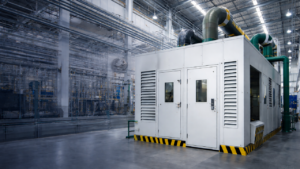
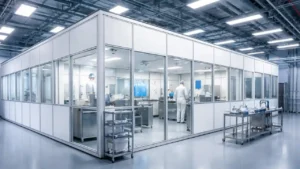
Some medical departments, especially laboratories working with chemicals or hazardous materials, require structural protection. Blast Proof Modular Buildings are engineered to withstand high pressure while offering exceptional acoustic insulation. Their modular design allows quick installation, relocation, or expansion. These buildings maintain steady internal acoustic conditions that support concentration and safety.
Benefits of Blast Resistant Buildings for Healthcare Facilities
Hospitals located near industrial sites, airports, or high-risk zones benefit from Blast Resistant Buildings. These structures provide both physical safety and natural acoustic insulation due to their reinforced walls and construction. They limit external noise transmission and create stable indoor environments where patient comfort and staff focus are improved.
Technological Advancements in Acoustic Planning
Modern acoustic planning uses simulation tools to predict sound behavior before construction begins. Designers can analyze sound reflection, reverberation, speech clarity, and overall noise distribution. This helps them choose the best materials and optimize room shapes. Technology ensures that Building Acoustic solutions are integrated with precision and accuracy.
Use of Sustainable Acoustic Materials
Sustainability has become a priority in healthcare architecture. Many acoustic materials are now made from eco-friendly and recycled components. Wood wool boards, mineral fiber panels, recycled polyester sheets, and low-VOC absorbers help hospitals maintain clean indoor air quality while managing noise effectively. These materials reduce environmental impact and improve long-term durability.
Collaboration Between Design and Healthcare Teams
Effective acoustic planning requires cooperation between architects, engineers, designers, and hospital administrators. Each professional offers insights into operational needs, patient requirements, staff workflows, and technical challenges. Collaboration ensures that acoustic solutions support the hospital’s medical functions while creating comfortable, healing-friendly spaces.
Why Early Acoustic Planning Is Essential
Acoustic issues become expensive to fix once construction is complete. Early planning helps architects incorporate insulation, room layout strategies, and material choices before the building takes shape. Integrating Building Acoustic solutions early ensures long-term performance, reduced renovation needs, and a better experience for patients and staff.
How Acoustic Comfort Shapes Patient Satisfaction
Patient satisfaction extends beyond medical treatment. A hospital’s atmosphere significantly influences how patients feel during their stay. Quiet spaces reduce anxiety, enhance rest, and contribute to better healing. Families feel more relaxed, and communication between staff and patients becomes clearer. Acoustic comfort plays a major role in improving the overall patient experience.
About Ecotone Systems: Your Partner in Advanced Building Acoustic Solutions
Creating peaceful, well-controlled environments in hospitals requires expertise, precision, and a deep understanding of acoustic behavior. Ecotone Systems is one of the leading providers of specialized acoustic solutions designed to support modern healthcare infrastructure. With a strong focus on Building Acoustic, the company delivers engineered products that help hospitals achieve superior noise control, privacy, and environmental stability.
Ecotone Systems offers a wide range of solutions from acoustic panels and soundproof doors to modular enclosures and noise-control systems tailored for clinical spaces. Their products are designed to minimize noise transfer, reduce patient disturbances, and enhance acoustic clarity across different medical departments. The company also provides soundproof curtains, giving healthcare facilities flexible options for maintaining quiet and controlled spaces.
For facilities that require higher protection standards, Ecotone Systems also manufactures blast-proof modular buildings and blast-resistant building solutions, ensuring both safety and acoustic integrity. With a commitment to performance, durability, and innovation, Ecotone Systems continues to support hospitals and healthcare architects in building environments that truly promote healing and efficiency.
Conclusion: Acoustic Planning as a Key Component of Healing
Acoustic planning is vital to the success of any healthcare facility. Noise affects recovery, communication, concentration, and privacy. By using advanced Building Acoustic strategies, hospitals can create calmer, safer, and more effective environments. The integration of Acoustic Control in Buildings, along with modern solutions like Blast Proof Modular Buildings and Blast Resistant Buildings, ensures hospitals are prepared for future challenges. When healthcare facilities prioritize sound management, they create truly healing spaces where patients recover faster and staff perform better.