Noise pollution has become a serious concern in modern urban environments, industrial facilities, and transportation corridors. Continuous exposure to high levels of noise can affect productivity, employee well-being, and overall environmental comfort. Because of this, industries and infrastructure planners are increasingly investing in professional acoustic solutions to manage and control unwanted sound.
Two commonly discussed noise control systems are sound barriers and soundproof walls. Although these terms are sometimes used interchangeably, they serve different purposes and operate using different acoustic principles.
Understanding how these systems work helps businesses, infrastructure developers, and facility managers choose the right solution for their specific noise control needs. In this article, we will explore the differences between these two systems, their applications, and how they contribute to effective noise management.
Introduction to Noise Control
Rapid urban development and industrial growth have significantly increased environmental noise levels. Traffic movement, railway operations, heavy machinery, generators, and construction activities are some of the major sources of continuous sound pollution.
Without proper noise management systems, these sounds can spread over long distances and disturb nearby residential areas, workplaces, hospitals, and educational institutions. Effective noise control is therefore an important part of modern infrastructure planning and industrial facility design.
Acoustic engineering provides several solutions to reduce unwanted noise. Among them, sound barrier systems and soundproof walls are widely used for managing different types of noise problems. While both systems aim to reduce sound levels, their functionality and installation methods are quite different.
Understanding the Role of a Sound Barrier in Noise Control
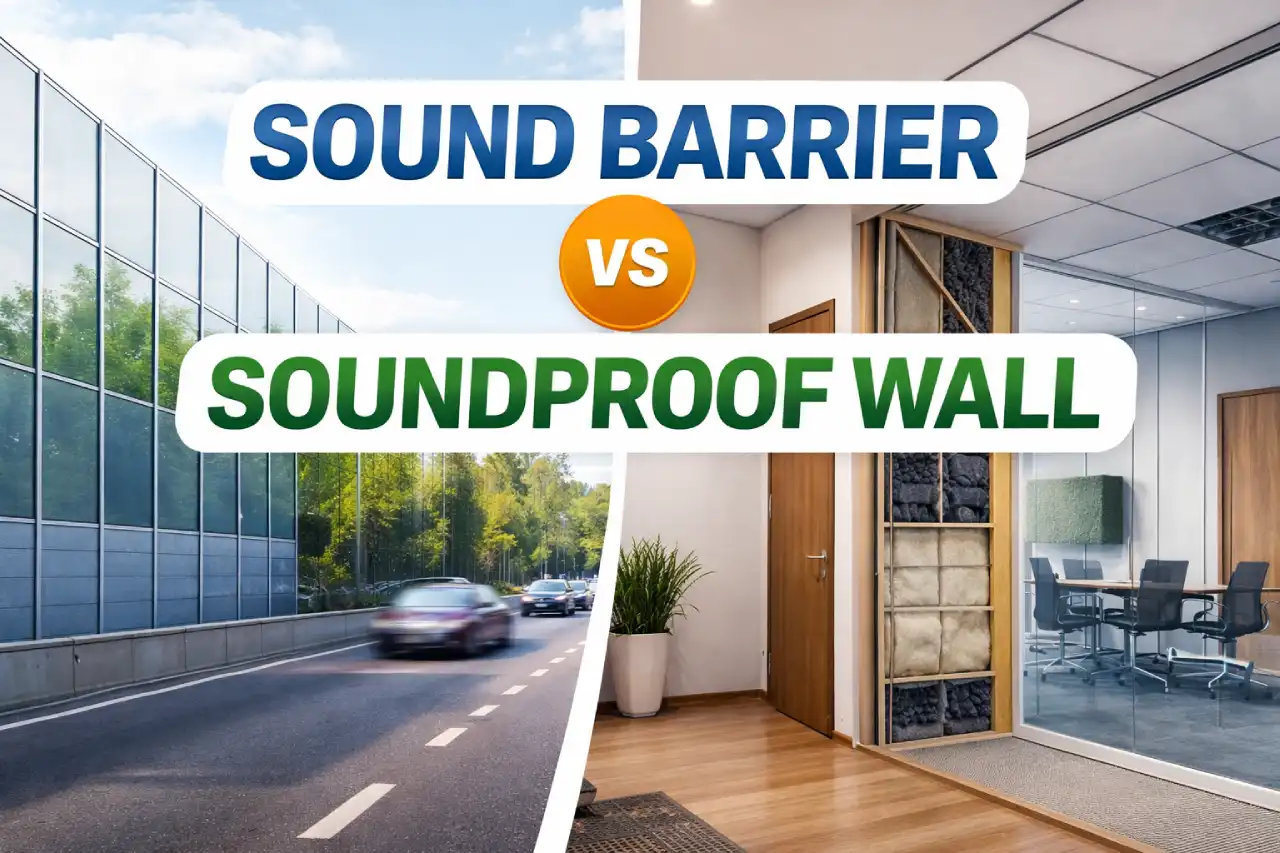
A sound barrier is a specially designed structure installed between a noise source and the surrounding environment to reduce the amount of sound that travels beyond it. These structures are commonly used in outdoor environments where noise generated by traffic, industrial equipment, or construction activities needs to be controlled.
The primary function of a sound barrier is to interrupt the direct path of sound waves. When sound travels through the air, it spreads outward from the source. By placing a barrier between the source and the receiver, the structure reflects, absorbs, or deflects part of the sound energy. This process significantly lowers the noise level reaching the protected area.
Sound barrier installations are frequently seen along highways, railway corridors, industrial plants, and large infrastructure projects. Their design usually incorporates durable materials capable of withstanding environmental conditions such as wind, rain, and temperature variations while maintaining strong acoustic performance.
Modern systems may include metal panels, composite materials, concrete elements, or transparent acoustic sheets. These materials are selected for their ability to reduce noise while maintaining structural strength and visual compatibility with urban landscapes.
Beyond noise reduction, installing a sound barrier also helps organizations comply with environmental regulations, improve workplace conditions, and protect nearby communities from excessive noise exposure.
What is a Soundproof Wall?
A soundproof wall is designed to prevent sound from passing through a structure between two enclosed spaces. Unlike outdoor acoustic systems, soundproof walls are mainly used within buildings where controlling sound transmission between rooms is necessary.
These walls are constructed using dense materials and multiple layers of acoustic insulation. The main objective is to block sound energy from traveling through the wall structure, thereby maintaining sound isolation between different areas.
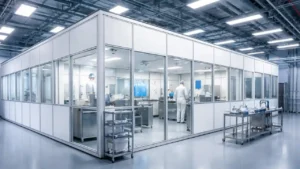
Soundproof walls are widely used in recording studios, conference rooms, hospitals, control rooms, and office spaces where privacy and quiet environments are essential. By increasing the density and insulation properties of the wall structure, soundproof walls help prevent vibrations and airborne noise from passing through.
Proper installation and sealing are critical for achieving effective sound isolation. Even small gaps or structural weaknesses can allow sound to leak through, reducing the overall performance of the system.
Technical Difference Between Sound Barrier and Soundproof Wall
To better understand how these two noise control solutions differ, the following comparison highlights their technical characteristics and typical applications.
Parameter | Sound Barrier | Soundproof Wall |
Primary Purpose | Reduces environmental noise by blocking or deflecting sound waves | Prevents sound transmission between indoor spaces |
Installation Location | Installed outdoors along highways, railways, and industrial areas | Installed inside buildings and interior spaces |
Noise Control Method | Interrupts the direct path of sound waves | Blocks sound vibration from passing through wall structures |
Common Materials Used | Metal panels, composite acoustic materials, concrete panels | Gypsum board, acoustic insulation, dense construction layers |
Application Areas | Transportation infrastructure, factories, construction sites | Studios, offices, meeting rooms, hospitals |
Structural Design | Freestanding barrier placed between source and receiver | Integrated part of building wall structure |
Noise Reduction Focus | Environmental noise reduction | Indoor sound isolation |
When Should You Choose a Sound Barrier?
A sound barrier becomes the most suitable option when the noise source is located outdoors and affects nearby areas. For example, highways generate continuous traffic noise that can disturb residential neighborhoods. Installing a sound barrier between the road and nearby buildings can significantly reduce this disturbance.
Industrial facilities also benefit from these systems. Machinery such as compressors, generators, and production equipment can produce constant high-level noise. Installing a sound barrier around these areas helps prevent the sound from spreading beyond the facility.
Construction projects located in urban environments may also use temporary or permanent barriers to minimize noise impact on surrounding communities. In such situations, the goal is not to completely eliminate noise but to reduce it to acceptable environmental levels.
When is a Soundproof Wall a Better Option?
A soundproof wall is more appropriate when noise needs to be controlled within buildings. Recording studios, for instance, require a high level of sound isolation to prevent external sounds from affecting audio production.
Corporate offices also use soundproof walls in conference rooms and executive cabins where confidentiality is important. Hospitals and healthcare facilities benefit from quieter environments where patient comfort is a priority.
Educational institutions and training centers may also use soundproof walls to reduce sound interference between classrooms and lecture halls.
In these cases, the focus is on preventing sound from traveling through building structures rather than controlling outdoor noise.
Industries That Use Noise Control Solutions
Many industries rely on professional acoustic solutions to maintain safe and comfortable working environments. Transportation infrastructure projects frequently incorporate sound barrier installations along highways and railway corridors to control traffic noise.
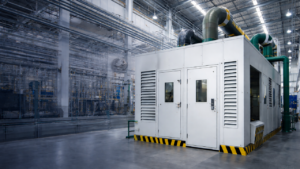
Manufacturing plants and heavy industries use acoustic barriers and enclosures to manage machinery noise. Power plants, compressor stations, and material handling facilities also require effective noise control systems.
Commercial buildings often combine soundproof walls with other acoustic treatments to improve workplace comfort and productivity.
As urban expansion continues, the demand for advanced acoustic solutions such as sound barrier systems continues to grow.
Benefits of Installing a Sound Barrier
Installing a sound barrier provides several advantages for both industries and surrounding communities. One of the most important benefits is the reduction of environmental noise levels. Lower noise levels contribute to improved living conditions and workplace comfort.
These systems also help organizations comply with environmental noise regulations and safety standards. By controlling sound levels, companies can reduce complaints from nearby communities and maintain a positive operational environment.
Another advantage is improved productivity. Excessive noise can distract workers and increase stress levels. By installing an effective sound barrier, companies can create a quieter and more focused working environment.
Modern barrier designs also offer durability and visual appeal, making them suitable for infrastructure projects where aesthetics and performance are equally important.
Factors to Consider Before Installing Noise Control Systems
Selecting the right acoustic solution requires careful analysis of several factors. The first step is identifying the main source of noise and understanding its intensity and frequency characteristics.
The distance between the noise source and the affected area also influences the design of the system. Barrier height, positioning, and material selection play important roles in determining the effectiveness of the solution.
Environmental conditions such as weather exposure, wind loads, and long-term durability must also be considered for outdoor installations.
Working with experienced acoustic engineers ensures that the final system delivers reliable noise reduction performance.
Additional Services by Ecotone Systems
In addition to advanced sound barrier solutions, Ecotone Systems offers specialized acoustic products designed to improve noise control in industrial and commercial environments.
Acoustic Ceiling Baffles
Acoustic ceiling baffles are suspended sound-absorbing panels installed in large open spaces such as factories, production halls, and auditoriums. These systems help reduce echo and reverberation, creating a more comfortable acoustic environment.
Soundproof Door
A soundproof door is designed to prevent sound leakage through entry points in controlled environments. These doors are commonly used in studios, laboratories, control rooms, and industrial facilities where maintaining acoustic isolation is essential.
By integrating these products with a professionally engineered sound barrier system, organizations can create a comprehensive noise management strategy.
Conclusion
Both sound barriers and soundproof walls are important components of modern noise control systems. While they may appear similar, their functions and applications are quite different.
A sound barrier is primarily used in outdoor environments to reduce noise from highways, railways, industrial facilities, and construction activities. By interrupting the path of sound waves, it helps minimize the spread of environmental noise.
Soundproof walls, on the other hand, are designed for indoor environments where sound isolation between rooms is required.
Choosing the right solution depends on the nature of the noise source and the environment where noise reduction is needed. With proper planning and professional acoustic design, organizations can effectively manage sound levels and create more comfortable and productive spaces.
For infrastructure projects and industrial facilities dealing with environmental noise challenges, installing a well-designed sound barrier remains one of the most effective and reliable solutions available today.