Ecotone Systems Private Limited

Modular Cleanroom Solutions in India
In industries where precision, hygiene, and contamination control are essential, infrastructure plays a critical role in ensuring operational success. Modern businesses require controlled environments that comply with strict regulatory standards while maintaining efficiency and cost-effectiveness. Modular cleanroom solutions provide an advanced construction approach that meets these demands with flexibility, speed, and reliability.
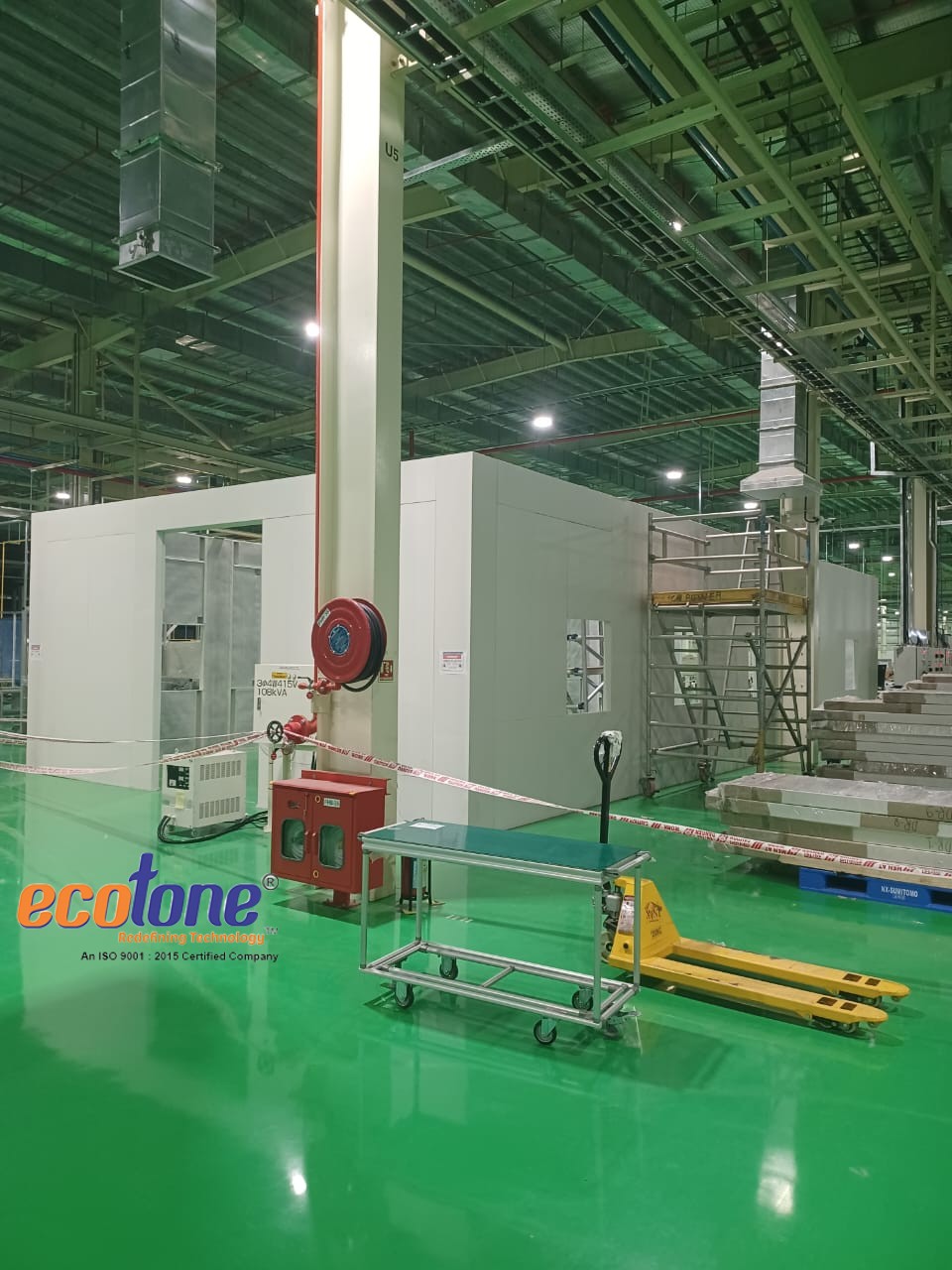
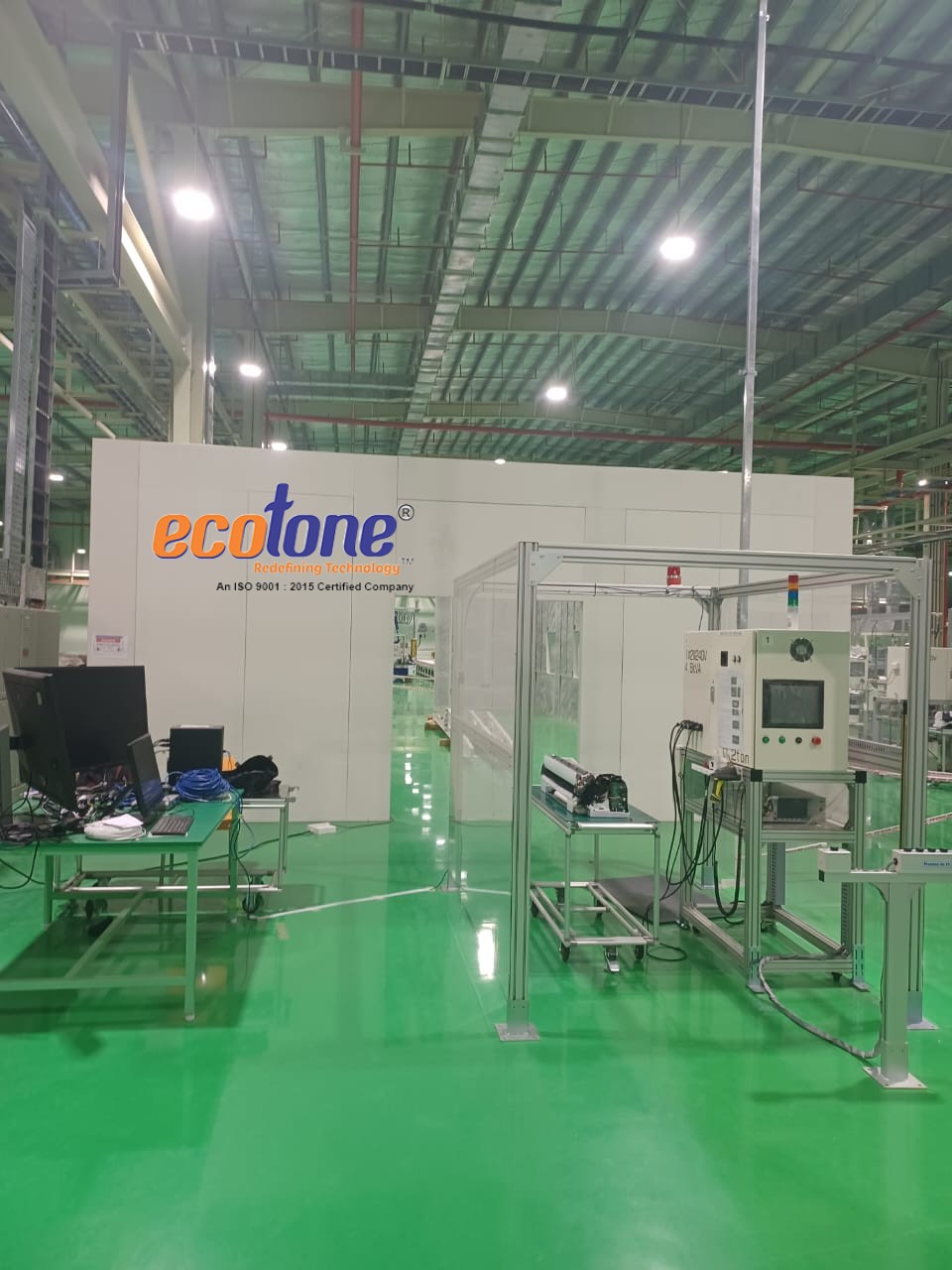
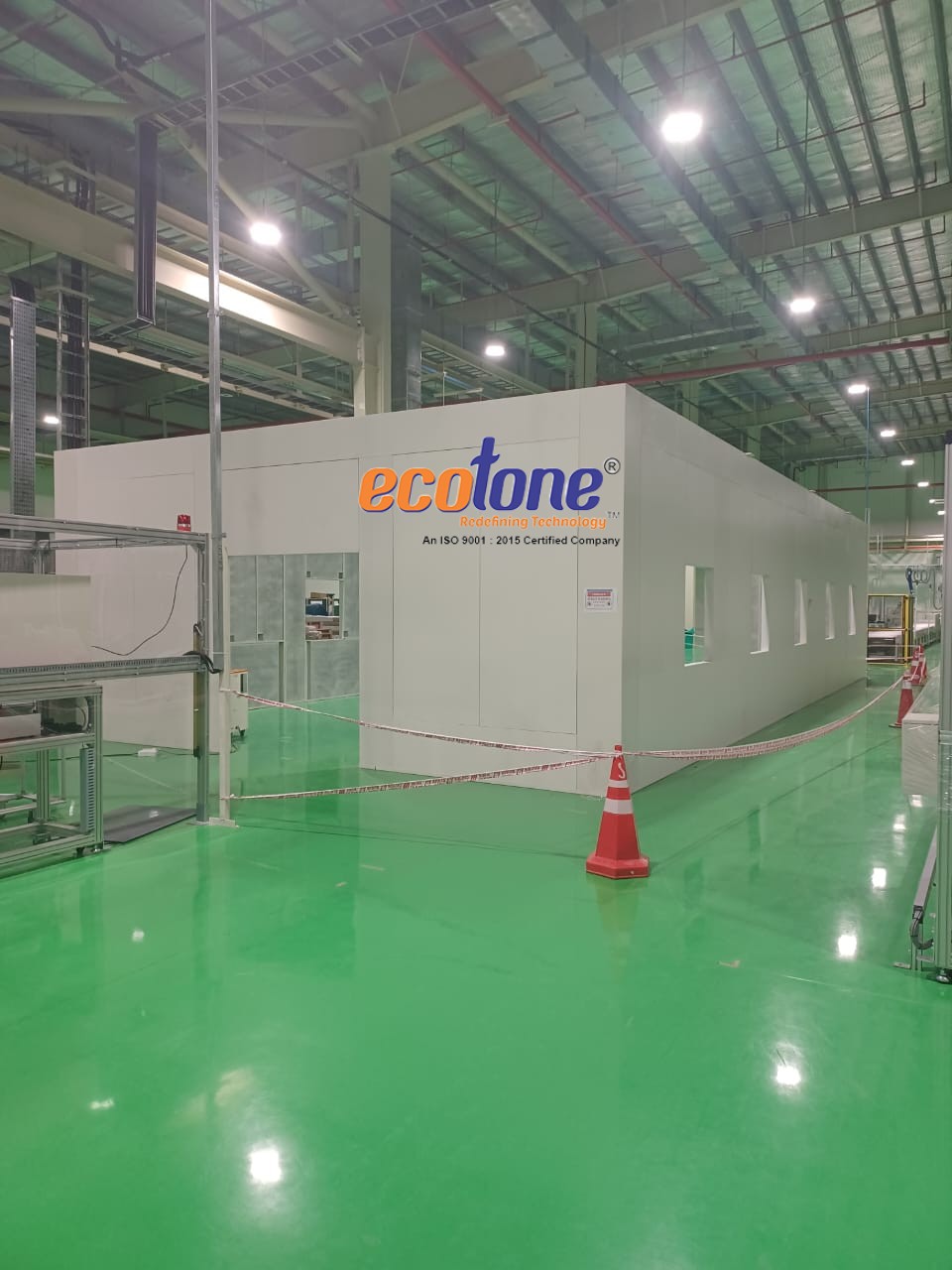
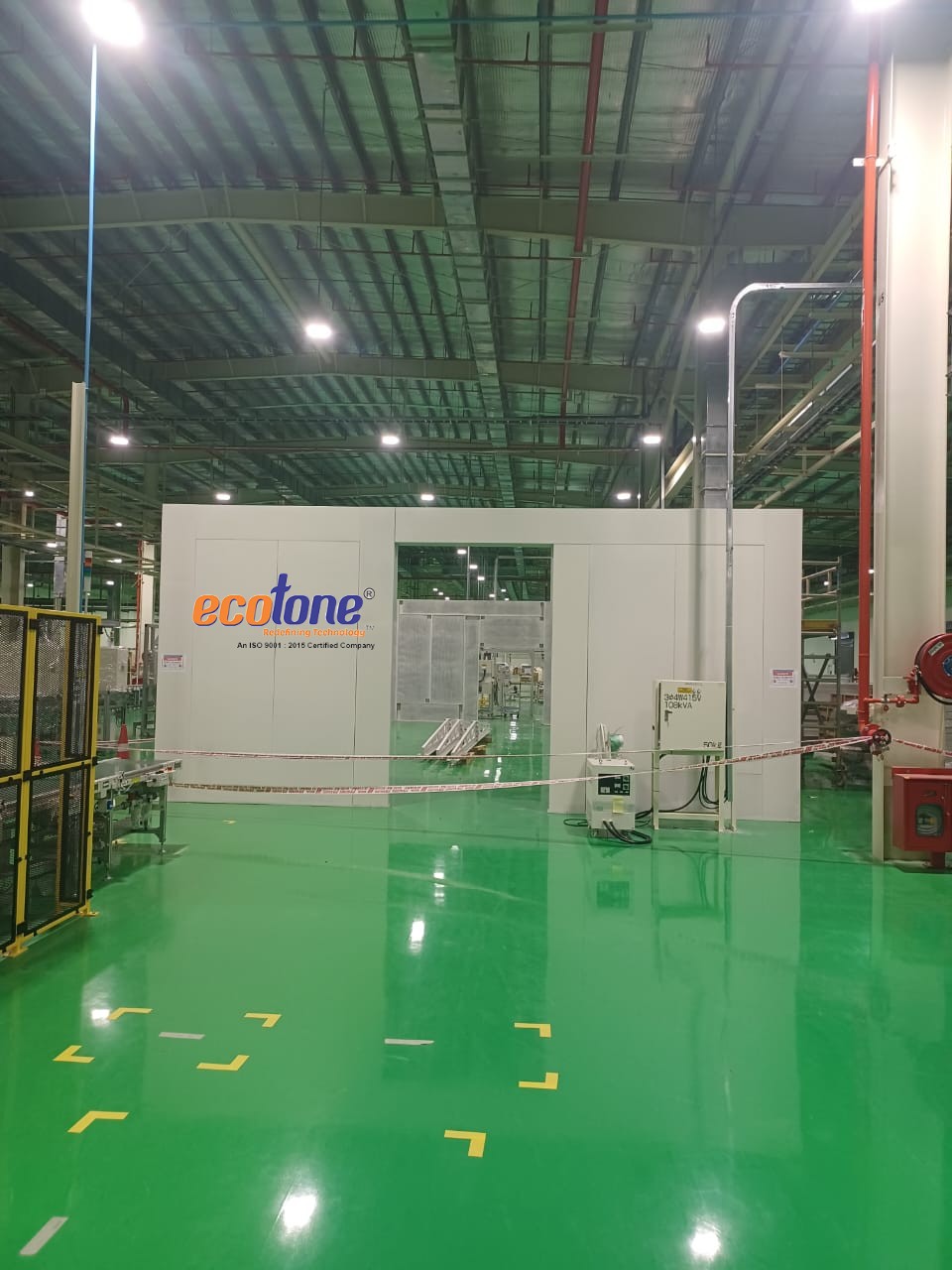
What is a Modular Cleanroom?
A modular cleanroom is a prefabricated, self-contained controlled environment designed to limit airborne particles and regulate internal atmospheric conditions. These cleanrooms are constructed using standardized insulated panels, structural frames, ceiling systems, and integrated service components.
The key advantage of modular construction is flexibility. The system can be customized based on cleanroom classification requirements, spatial layout, and operational workflow. Whether a facility requires ISO 5, ISO 6, or ISO 8 classification, the design can be engineered accordingly.
Additionally, modular cleanrooms can be expanded, relocated, or reconfigured as production demands evolve. This scalability makes them ideal for growing businesses that require future-ready infrastructure. Compared to traditional construction, modular systems significantly reduce downtime and enable faster commissioning of facilities.
Engineering Design and Construction Approach
The effectiveness of a cleanroom depends on precision engineering and airtight construction. Every element, from wall panels to ceiling grids and doors, must integrate seamlessly to prevent contamination and maintain pressure differentials.
Modular construction ensures high manufacturing accuracy because components are fabricated in controlled factory settings using advanced machinery and quality control procedures. This minimizes structural inconsistencies and enhances performance reliability.
In addition to structural integrity, modern cleanrooms incorporate high-efficiency filtration systems such as HEPA or ULPA filters, advanced HVAC integration, and specialized flooring systems. These components work together to create a stable environment that supports sensitive manufacturing and research activities.
Technical Specifications Overview
The following table highlights standard technical parameters commonly associated with professionally engineered cleanroom systems:
Technical Parameter | Standard Specification Range | Performance Advantage |
Cleanroom Classification | ISO 5 – ISO 8 | Controlled particulate levels |
Wall & Ceiling System | Insulated Sandwich Panels | Structural stability |
Panel Thickness | 40mm – 120mm | Enhanced insulation |
Core Density | 40 ± 2 kg/m³ (typical) | Uniform performance |
Thermal Conductivity | 0.020–0.024 W/mK | Energy efficiency |
Surface Finish | PPGI / SS / GI Sheets | Hygienic & easy cleaning |
Air Filtration | HEPA / ULPA | High contamination control |
Fire Resistance | As per applicable standards | Improved safety |
These specifications may vary depending on project requirements and industry regulations, but they demonstrate the technical reliability expected from modern cleanroom systems.
Let’s Connect: Reach Out to Us
Have a question or idea? Fill out the form and we’ll get back to you soon!
Related Posts:
Role of PUF Panel in Cleanroom Construction
One of the most important structural elements in cleanroom infrastructure is the PUF Panel. These insulated sandwich panels consist of a rigid polyurethane foam core placed between durable metal sheets. They are widely used for constructing walls, ceilings, and partitions in controlled environments.
The thermal insulation properties of a PUF Panel help maintain consistent internal temperatures, reducing the load on HVAC systems and improving energy efficiency. Their lightweight yet strong construction ensures structural durability while simplifying installation.
Another advantage of using PUF Panel systems is their smooth, non-porous surface finish. This supports hygiene by preventing dust accumulation and allowing easy cleaning. In addition, these panels offer sound insulation and fire-retardant characteristics, enhancing safety and workplace comfort.
By integrating advanced insulation technology, cleanroom structures achieve improved environmental control and long-term operational reliability.
Compliance with Industry Standards
Cleanrooms must comply with national and international regulatory frameworks such as ISO classifications and GMP guidelines. Maintaining proper air pressure, filtration efficiency, and contamination control is essential for industries where product integrity directly impacts public health and safety.
A well-designed modular system ensures that airflow patterns, air change rates, and filtration systems meet regulatory requirements. Airtight construction and insulated panel systems further strengthen environmental stability.
Regular validation and performance testing are conducted to verify compliance, ensuring the cleanroom operates within approved limits. This compliance not only supports quality assurance but also enhances business credibility during audits and inspections.
Energy Efficiency and Long-Term Value
Energy consumption is a major factor in cleanroom operations because environmental parameters must be maintained continuously. High-performance insulation materials significantly reduce heat transfer, lowering operational costs over time.
Prefabricated construction methods also minimize on-site waste and shorten installation schedules. This results in reduced project costs and quicker return on investment. The durability of insulated panels ensures minimal maintenance, further improving long-term value.
By combining efficient design with quality materials, modern cleanroom systems support sustainable industrial growth.
About Ecotone Systems
Ecotone Systems is a leading provider of industrial infrastructure and controlled environment solutions in India. With extensive experience in engineering and project execution, the company specializes in delivering high-quality cleanroom systems tailored to diverse industry requirements.
Ecotone Systems follows a comprehensive approach that includes project consultation, design planning, manufacturing, installation, and after-sales support. The company emphasizes precision engineering, strict quality control, and adherence to regulatory standards to ensure dependable performance.
With expertise in insulated panel technology, acoustic enclosures, and turnkey industrial solutions, Ecotone Systems delivers infrastructure that supports operational efficiency, safety, and long-term sustainability.
Contact Us – Get Expert Cleanroom & Acoustic Solutions
If you are planning to establish or upgrade a controlled environment facility, our team at Ecotone Systems is ready to assist you. From initial consultation to final commissioning, we provide customized solutions that align with your operational goals and compliance requirements.
Connect with our experts today to discuss your project specifications, design preferences, and regulatory standards. Let us help you create a clean, efficient, and future-ready environment that enhances productivity and ensures quality excellence.
FAQ
ask us anything
Why are PUF panels used in cleanrooms?
PUF panels offer excellent thermal insulation, fire resistance, and airtightness. They help maintain stable temperature and humidity levels, making them highly suitable for sterile and controlled cleanroom environments.
Are modular cleanrooms customizable?
Yes. Modular cleanrooms can be fully customized in layout, wall thickness, door types, windows, flooring, lighting, and HVAC systems to match specific industry standards and certification requirements.
How long does it take to install a modular cleanroom?
Installation time depends on size and complexity, but modular cleanrooms are generally much faster to install compared to traditional construction. Most setups can be completed in a few days to a few weeks.
Are PUF panels fire-resistant?
Yes. PUF panels used by Ecotone Systems are made with fire-retardant polyurethane foam and meet standard fire safety requirements. They are self-extinguishing, which enhances safety in industrial environments.
Ecotone Completed Projects
Explore our portfolio of successfully delivered acoustic solutions across diverse industries. Each project reflects our engineering expertise, attention to detail, and commitment to high-performance noise control.