Why Understanding Sound Attenuator Pricing Matters Before You Invest
When planning an industrial or commercial noise control project, understanding the pricing structure of a Sound Attenuator becomes essential. Many project managers and consultants notice significant variations in quotations for similar products. However, the cost of a Sound Attenuator depends on technical specifications, acoustic performance, material quality, installation conditions, and customization requirements.
In this detailed guide, we will explain the major cost factors that influence Sound Attenuator pricing, helping you make informed and budget-conscious decisions.
Introduction to Sound Attenuator Pricing
A Sound Attenuator is a critical component in HVAC systems, industrial ventilation networks, and generator exhaust systems. Its primary function is noise reduction without significantly restricting airflow. Because every project has different airflow and acoustic requirements, the final cost of a Sound Attenuator varies accordingly.
The total pricing includes fabrication, engineering design, acoustic insulation, structural casing, finishing, and logistics. Each of these elements plays a role in determining the final investment.
How Acoustic Performance Influences Cost
One of the biggest cost drivers is the required insertion loss or noise reduction level. Higher performance requirements demand thicker acoustic media, longer attenuator length, and optimized internal splitter design.
If regulatory compliance requires specific decibel limits, the Sound Attenuator must be engineered to meet those standards. Achieving higher decibel reduction increases material usage and manufacturing complexity, which directly impacts pricing.
Accurate acoustic analysis during the early design stage helps prevent overspecification and unnecessary costs.
Impact of Size and Dimensional Specifications
The physical dimensions of a Sound Attenuator directly affect its price. Larger duct sizes require increased sheet metal usage, additional acoustic insulation, and stronger structural support.
Custom dimensions further increase fabrication effort. Standardized models are typically more economical, while specially sized units require additional engineering adjustments, increasing production time and cost.
Role of Material Selection in Pricing
Material selection significantly impacts overall cost. Common construction materials include galvanized steel, mild steel, and stainless steel. Industrial environments exposed to moisture, chemicals, or outdoor conditions often require corrosion-resistant materials.
Higher-grade materials improve durability and lifespan but increase upfront investment. Similarly, premium acoustic insulation material ensures long-term performance but adds to material cost.
Choosing appropriate materials based on environmental conditions ensures long-term reliability.
Design Configuration and Internal Construction
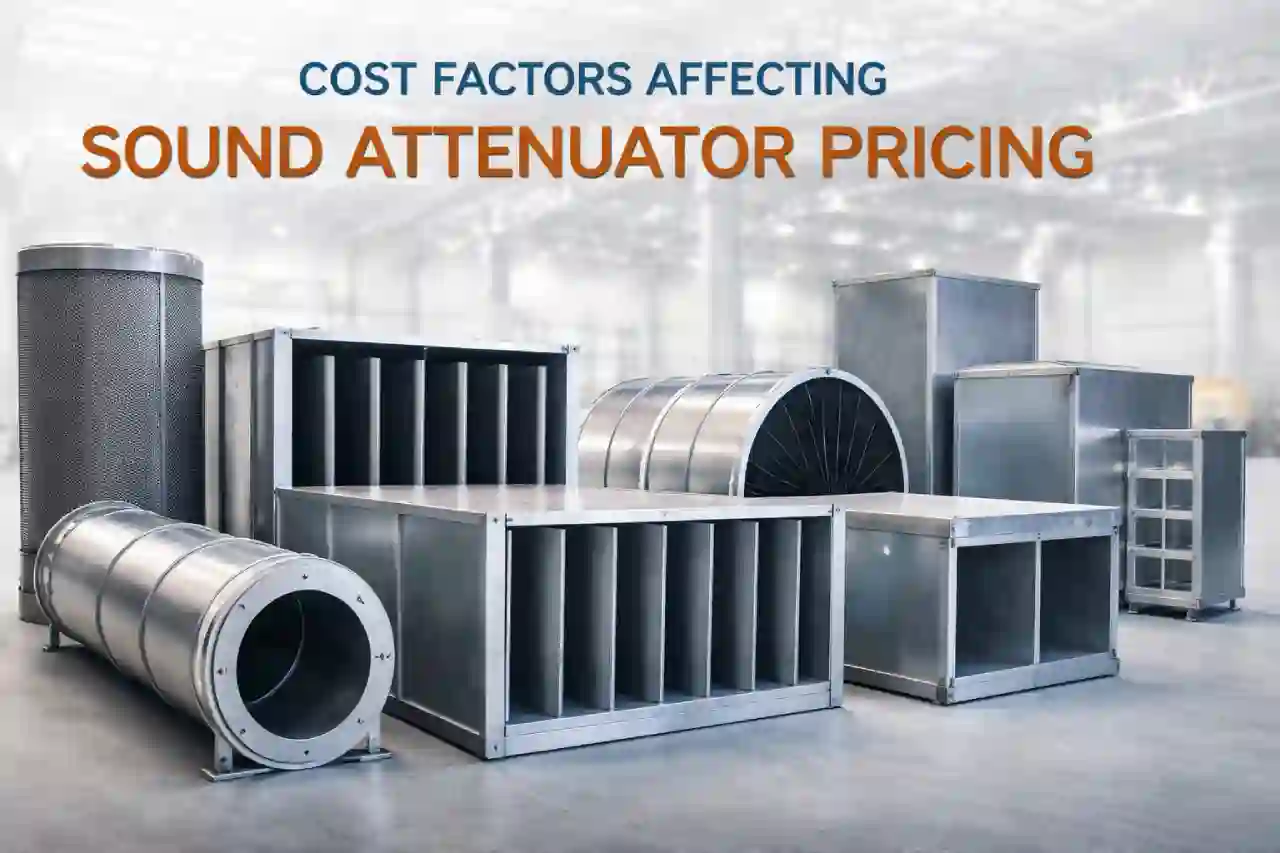
The internal design of a Sound Attenuator plays a major role in pricing. Configurations such as splitter type attenuators, circular silencers, and rectangular duct silencers vary in complexity.
Advanced internal geometry improves noise attenuation efficiency, but it requires precision fabrication. Reinforced casing construction may also be required for high-pressure systems, adding to manufacturing cost.
Well-engineered construction ensures optimal performance while maintaining airflow balance.
Airflow, Velocity and Pressure Drop Considerations
An effective Sound Attenuator must maintain airflow efficiency. Excessive pressure drop can increase fan energy consumption and reduce system efficiency.
Designing for low pressure drop requires aerodynamic optimization and precise splitter spacing. Although this may slightly increase initial engineering cost, it ensures better energy efficiency and long-term operational savings.
Balancing airflow performance with acoustic efficiency is essential for system reliability.
Installation Environment and Site Conditions
The installation environment significantly affects pricing. Outdoor installations may require weatherproof coatings or thermal insulation. High-temperature exhaust systems demand heat-resistant materials.
Space constraints may require modular construction. A segmented Sound Attenuator design simplifies transportation and installation but increases fabrication complexity.
Structural supports and integration with existing duct systems also influence total project cost.
Customization and Engineering Complexity
Customized solutions increase pricing compared to standard models. Projects requiring special mounting frames, vibration isolation systems, or inspection panels involve additional engineering hours.
Detailed acoustic simulation, technical drawings, and performance validation add to design cost but ensure precise functionality.
Customization ensures that the Sound Attenuator fits perfectly within system limitations while achieving targeted performance.
Compliance, Standards and Testing Requirements
Certain industries require compliance with specific acoustic standards and environmental regulations. Certified performance testing or field validation increases project cost but guarantees regulatory adherence.
Documented acoustic testing provides assurance that the installed system meets required noise control benchmarks.
Project Scale and Quantity Factors
Bulk manufacturing reduces per-unit cost due to production efficiency. Larger projects allow better material procurement management and streamlined fabrication.
Single custom-built units generally cost more due to setup and design overhead.
Planning procurement strategically can help manage the overall project budget.
Transportation and Logistics Cost Influence
Because a Sound Attenuator can be large and heavy, transportation expenses must be considered. Long-distance shipping, special packaging, and lifting equipment add to logistics cost.
Oversized units may need modular fabrication for easier handling. While modular design increases assembly effort, it simplifies transportation.
Long-Term Value and Maintenance Considerations
Focusing only on initial cost can be misleading. Lower-quality construction may result in corrosion, insulation degradation, or structural issues over time.
A high-quality Sound Attenuator offers improved durability, reduced maintenance, and extended service life. Considering lifecycle cost rather than just purchase price ensures better financial decisions.
Investing in reliable design and engineering ultimately delivers long-term value.
Additional Services of Ecotone Systems
Ecotone Systems provides comprehensive industrial noise control solutions beyond manufacturing Sound Attenuator systems.
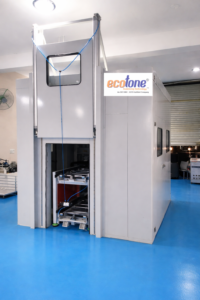
Acoustic Enclosure solutions are engineered to contain machinery noise from generators, compressors, and heavy industrial equipment. These enclosures ensure compliance with environmental noise regulations while maintaining ventilation and accessibility.
Acoustic Louver systems allow airflow while reducing sound transmission through ventilation openings. They are ideal for plant rooms, mechanical spaces, and industrial exhaust systems.
Anechoic Chamber solutions are designed for precise acoustic testing, research, and product development applications. These chambers create controlled sound environments for measurement accuracy and compliance validation.
By integrating these services, Ecotone Systems delivers complete and reliable acoustic engineering solutions tailored to industrial needs.
Conclusion
The pricing of a Sound Attenuator depends on multiple factors including acoustic performance, material selection, size, airflow efficiency, customization, compliance requirements, and installation conditions.
Understanding these cost drivers allows businesses to evaluate quotations effectively and select a solution that balances performance with budget. Careful planning, accurate acoustic analysis, and collaboration with experienced manufacturers ensure a cost-effective and technically sound investment.
For industries prioritizing noise control solutions, informed decision-making leads to better operational efficiency, regulatory compliance, and long-term reliability.