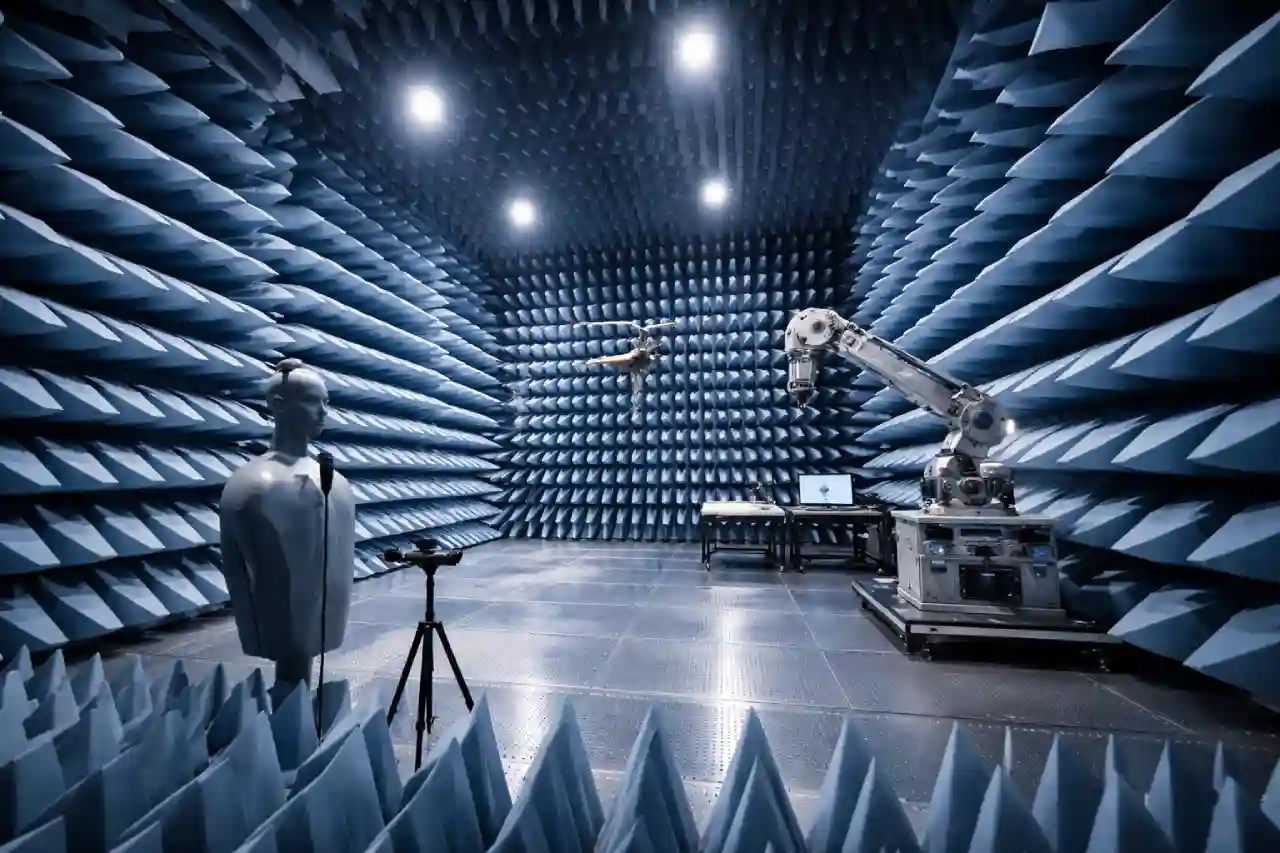
When most people hear about Anechoic Chambers, they imagine silent rooms covered with specialized acoustic material. Traditionally, these highly controlled spaces were built for sound measurement and product testing. However, the role of Anechoic Chambers is rapidly evolving. Today, they are becoming essential infrastructure for industries focused on innovation, research accuracy, and advanced product development.
As global industries move toward automation, artificial intelligence, electric mobility, and wireless connectivity, the demand for precise testing environments continues to rise. Anechoic Chambers now serve as the backbone of next-generation technology development. In this blog, we will explore the future uses of Anechoic Chambers that extend far beyond conventional acoustic testing.
For Any Inquiries Please Email
Our team typically responds within 24 hours on business days.
Contact UsWhy Industries Rely on Anechoic Chambers
Modern engineering requires precision. Small variations in sound, vibration, or electromagnetic performance can significantly impact product quality and compliance. Anechoic Chambers provide an isolated and reflection-free environment that eliminates external disturbances and ensures accurate measurement results.
Industries depend on these facilities to validate performance, meet regulatory standards, and accelerate product development cycles. Without Anechoic Chambers, testing would be vulnerable to environmental interference, leading to unreliable outcomes. As product complexity increases, the need for such controlled environments becomes even more critical.
Emerging and Future Uses of Anechoic Chambers
The future of Anechoic Chambers is closely linked with technological progress. As industries innovate, new applications continue to emerge.
Electric Vehicle Development
The global transition toward electric vehicles has introduced new acoustic challenges. Unlike internal combustion engines, electric motors operate quietly, which makes secondary sounds more noticeable. Engineers use Anechoic Chambers to analyze motor harmonics, inverter noise, cooling system acoustics, and interior cabin comfort.
As electric mobility expands, manufacturers will increasingly rely on Anechoic Chambers to enhance passenger experience and ensure regulatory compliance related to vehicle sound emissions. These testing environments allow engineers to fine-tune vehicle acoustics with exceptional precision.
Aerospace and Drone Technology
The aerospace industry has always required advanced testing infrastructure. Today, with the rise of unmanned aerial vehicles and urban air mobility systems, the role of Anechoic Chambers has expanded further. These chambers are used to measure propulsion noise, evaluate communication systems, and analyze radar performance.
Future air transport systems will demand quieter propulsion technologies and highly reliable communication modules. Anechoic Chambers will continue to play a vital role in validating these innovations before deployment.
5G and 6G Communication Research
Wireless communication technologies are advancing at an unprecedented pace. With 5G networks already operational and 6G under research, testing high-frequency antennas and signal propagation systems requires precise electromagnetic isolation. RF Anechoic Chambers provide an interference-free environment for measuring radiation patterns, signal strength, and beamforming capabilities.
As smart cities and connected infrastructure grow, Anechoic Chambers will remain central to communication research and development.
Smart Devices and IoT Systems
Smart home devices, voice assistants, and interconnected sensors must operate flawlessly in diverse environments. To achieve this reliability, manufacturers test microphones, speakers, and wireless modules inside Anechoic Chambers.
Future IoT ecosystems will demand even greater performance accuracy. From industrial automation to home security systems, Anechoic Chambers will help ensure consistent functionality and improved user experience.
Healthcare and Medical Equipment
Medical technology is another field where Anechoic Chambers are making a significant impact. Hearing aids, diagnostic equipment, and advanced imaging devices require precise acoustic validation. Controlled testing environments help manufacturers improve performance and patient safety.
As healthcare becomes increasingly technology-driven, the reliance on Anechoic Chambers for research and quality assurance will continue to grow.
Artificial Intelligence and Voice Recognition
AI-powered voice systems must accurately detect and process speech under varying conditions. During development, researchers use Anechoic Chambers to isolate voice samples and train algorithms without background interference.
With the rise of voice-controlled devices in homes, vehicles, and workplaces, Anechoic Chambers are becoming critical tools for improving speech recognition accuracy and reducing noise-related errors.
Defense and Advanced Surveillance
Defense organizations depend on highly secure and precise testing environments. Anechoic Chambers are used to evaluate stealth technologies, radar systems, and communication equipment. These applications require absolute accuracy, as even minor inconsistencies can affect operational performance.
Future defense systems will incorporate advanced materials and communication platforms, increasing the demand for sophisticated Anechoic Chambers.
Virtual Reality and Immersive Technologies
Virtual reality is transforming training simulations, gaming, and digital collaboration. Immersive audio must be carefully engineered to create realistic spatial experiences. Developers rely on Anechoic Chambers to calibrate sound positioning and ensure consistent audio quality.
As immersive technologies become mainstream, Anechoic Chambers will support the development of next-generation sensory environments.
Consumer Electronics Innovation
From smartphones to premium headphones, sound quality is a major competitive factor in consumer electronics. Companies use Anechoic Chambers to refine speaker output, test microphones, and improve noise cancellation systems.
Future devices will integrate advanced audio technologies, further increasing the importance of accurate acoustic testing environments.
Space and Satellite Systems
Satellite communication and space exploration projects require accurate antenna and signal validation. RF Anechoic Chambers enable engineers to test radiation patterns and communication modules without interference.
As private space initiatives expand, the need for specialized Anechoic Chambers will grow in research facilities worldwide.
Role of Anechoic Chambers in Sustainable Engineering
Sustainability has become a priority across industries. Anechoic Chambers contribute by enabling efficient product development and reducing the need for repeated physical prototypes. Accurate testing helps engineers design energy-efficient motors, quieter renewable energy systems, and environmentally responsible transportation solutions.
By improving performance during the development stage, Anechoic Chambers indirectly support sustainable innovation and resource optimization.
How Technology is Shaping the Next Generation of Anechoic Chambers
Modern Anechoic Chambers are evolving beyond static testing rooms. Today’s facilities integrate digital monitoring systems, advanced absorber materials, and automated data analysis tools. Some chambers are modular, allowing customization based on specific industry requirements.
Future developments may include AI-integrated testing platforms and robotic measurement systems that improve efficiency and reduce manual intervention. As testing standards become stricter, Anechoic Chambers will continue to adapt to meet emerging industry demands.
Additional Services by Ecotone Systems
At Ecotone Systems, comprehensive acoustic solutions go beyond constructing Anechoic Chambers. The company provides advanced noise control systems designed for industrial and commercial applications.
Soundproof Curtains offered by Ecotone Systems deliver flexible and practical noise control solutions for factories, generator rooms, and temporary enclosures. These curtains help reduce sound transmission while maintaining operational accessibility.
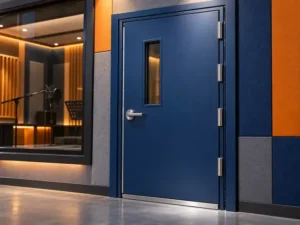
Soundproof Door solutions are engineered to ensure effective acoustic sealing for studios, laboratories, and testing facilities. High-quality construction and precise installation prevent sound leakage and maintain performance standards.
Sound Barrier systems are designed to control environmental and industrial noise. They are widely used in manufacturing units, infrastructure projects, and commercial facilities to minimize sound pollution and ensure regulatory compliance.
By combining Anechoic Chambers with these complementary services, Ecotone Systems delivers complete and future-ready acoustic infrastructure.
Why Future-Ready Infrastructure Matters
The pace of technological advancement demands advanced testing environments. Companies that invest in high-performance Anechoic Chambers gain a strategic advantage in research accuracy and product quality. These facilities enable faster innovation cycles and reliable compliance with global standards.
As industries move toward automation, AI-driven systems, and sustainable engineering, Anechoic Chambers will remain essential for precision testing and technological progress.
Conclusion
The future of Anechoic Chambers extends far beyond traditional sound measurement. From electric vehicles and aerospace innovation to artificial intelligence and space exploration, these controlled environments are shaping the next generation of technology.
Organizations that recognize the strategic importance of Anechoic Chambers today will lead tomorrow’s innovation landscape. Investing in advanced acoustic infrastructure ensures accuracy, reliability, and long-term competitive growth in an increasingly technology-driven world.
Trusted by India's Leading Brands
Hover to pause · Logos scroll continuously