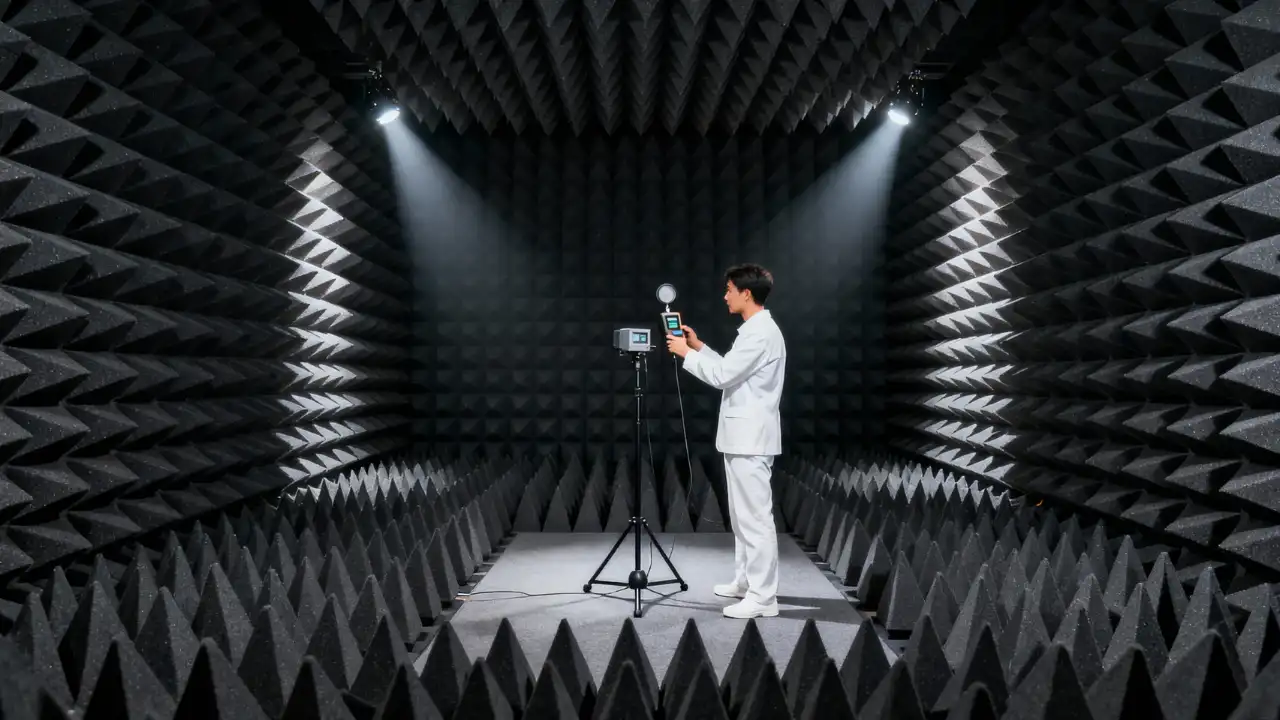
Common Mistakes Companies Make When Designing an Anechoic Chamber

Anechoic Chamber

Table of Contents

Designing an Anechoic Chamber is a highly technical process that demands precision, expertise, and an understanding of acoustic science. Whether it is an Acoustic Anechoic Chamber, a Semi Anechoic Chamber, or a Full Anechoic Chamber, even small design mistakes can affect performance, test accuracy, and long-term reliability. Companies often overlook essential design parameters due to cost-saving decisions, limited technical understanding, or poor planning. As a result, they end up with chambers that fail compliance tests, deliver inconsistent sound data, or require expensive modifications.

In this detailed guide, we highlight the most common mistakes organizations make when designing an anechoic setup and how to avoid them. If you want your chamber to perform with high acoustic precision and meet ISO standards, understanding these mistakes is crucial.

1. Ignoring the Purpose and Application of the Anechoic Chamber

One of the most frequent mistakes is starting the project without clearly defining the chamber’s purpose. An Anechoic Chamber designed for product noise testing is different from one intended for microphone calibration or research-based acoustic experiments.

Why This Mistake Happens

Companies often assume that all chambers serve the same function. As a result, they fail to differentiate between an Acoustic Anechoic Chamber, Semi Anechoic Chamber, and Full Anechoic Chamber, each of which supports different applications.

What It Leads To

  • Poor acoustic accuracy
  • Mismatched absorption wedges
  • Wrong floor type
  • Incorrect test environment

How to Avoid It

Create a clear project brief before design begins. Identify:

  • Testing requirements
  • Expected frequency range
  • Equipment type
  • Compliance standards

Defining the purpose ensures the chamber is engineered precisely for what you need.


2. Selecting the Wrong Type of Anechoic Chamber

Many companies choose the chamber type based on budget rather than functionality. This leads to purchasing a Semi Anechoic Chamber when a Full Anechoic Chamber is required or vice versa.

Key Differences You Must Understand

  • Semi Anechoic Chamber: Has solid reflective flooring for machinery testing, vehicle components, heavy equipment, and industrial noise measurement.
  • Full Anechoic Chamber: Includes suspended flooring for low noise research, audio device testing, psychoacoustics, and high precision experiments.

The Impact of Wrong Selection

Using the wrong chamber type results in:

  • Unreliable sound data
  • Inaccurate noise isolation
  • Non compliant test conditions
  • Poor user experience

How to Avoid It

Consult acoustic engineers early in the planning stage. Always select a chamber type that matches your testing application, not just your budget.


3. Underestimating the Role of Room Location and Structural Support

An Anechoic Chamber must be installed in a structurally suitable location. Many companies decide room placement based only on available space, ignoring essential structural requirements.

Common Errors

  • Installing the chamber near vibrating machinery
  • Choosing floors with low load bearing capacity
  • Positioning chambers near external noise sources
  • Poorly ventilated rooms

Consequences

Even a perfectly designed Acoustic Anechoic Chamber will fail if the foundation transfers vibration or noise into the testing zone.

How to Avoid It

  • Select a location far from high vibration zones
  • Ensure structural strength for heavy chamber weight
  • Provide dedicated HVAC pathways
  • Assess background noise levels before construction

This step alone can prevent long-term design and performance failures.


4. Using Incorrect Sound Absorption Wedges

Absorptive wedges are the heart of any Anechoic Chamber. Poor material selection or incorrect wedge design is one of the most damaging mistakes companies make.

What Companies Do Wrong

  • Using low grade polyurethane foam
  • Installing wedges that do not support required frequency ranges
  • Choosing wedge shapes based on aesthetics, not acoustics
  • Ignoring wedge density and fire ratings

Resulting Problems

  • Reflections inside the chamber
  • Poor sound decay rates
  • Failure to meet ISO 3744 or ISO 3745 standards
  • Faster material degradation

The Right Approach

Ensure wedges are:

  • Fire resistant
  • Laboratory tested
  • Designed for low frequency absorption
  • Suitable for the chamber’s intended frequency spectrum

High quality wedge material ensures long term stability and acoustic precision.


5. Overlooking Noise Isolation in the Structural Shell

A common misconception is that the wedges alone ensure silence inside the chamber. In reality, the outer shell provides the primary noise isolation. Many organizations focus on internal design and ignore shell construction integrity.

Typical Mistakes

  • Thin wall panels
  • Poor floating floor design
  • Weak structural joints
  • Incorrect door seals

Impact on Chamber Performance

Without proper isolation, even the best Acoustic Anechoic Chamber cannot perform. External noise leaks degrade test accuracy and compromise calibration sensitive applications.

How to Avoid It

  • Use multi layered wall construction
  • Install vibration isolation pads
  • Use acoustic grade seals for doors
  • Ensure shell airtightness

A properly designed shell is fundamental to achieving true quiet inside the chamber.


6. Neglecting HVAC and Airflow Noise Control

Air conditioning systems are essential to keep internal temperature stable, but companies often underestimate the noise they generate. In a highly sensitive Acoustic Anechoic Chamber, even minor airflow noise is disruptive.

Common HVAC Design Flaws

  • Direct airflow into the chamber
  • Oversized or noisy fans
  • Poor duct silencers
  • Incorrect placement of diffusers

Consequences

  • Increased background noise
  • Failed noise measurement tests
  • Disturbance in low frequency acoustics

How to Avoid It

  • Use low noise HVAC units
  • Install long path silencers
  • Place diffusers away from microphones
  • Maintain laminar airflow

A well designed HVAC system supports stable, noise free testing.


7. Miscalculating the Size of the Anechoic Chamber

Size plays a major role in the performance of a Full Anechoic Chamber or Semi Anechoic Chamber, especially concerning low frequency response.

Common Errors

  • Choosing smaller chambers to reduce budget
  • Ignoring ISO size recommendations
  • Not factoring in equipment footprint
  • Forgetting future testing requirements

Impact

A chamber with insufficient volume cannot accurately absorb low frequencies, resulting in measurement errors and poor acoustic uniformity.

Correct Method

Plan chamber dimensions based on:

  • Minimum cut off frequency
  • Type of equipment tested
  • Microphone distance requirements
  • Industry compliance norms

Always design with future needs in mind.


8. Improper Installation of Acoustic Doors and Electrical Penetrations

Companies often underestimate the importance of door sealing and penetration points. Even small installation errors can lead to major sound leaks.

Key Mistakes

  • Incorrect door alignment
  • Weak magnetic or compression seals
  • Poor cable entry port sealing
  • Gaps around electrical conduits

Outcome

  • Acoustic leakage
  • Test result corruption
  • Repeated calibration failures

How to Avoid It

Use high performance acoustic doors designed specifically for Anechoic Chamber environments. Seal all penetrations with certified acoustic materials and ensure airtight installation.


9. Failure to Plan for Safety and Maintenance Access

Safety is often overlooked during chamber construction. Regular maintenance is also ignored in the design phase, leading to limited access and operational issues.

What Companies Often Miss

  • Emergency lighting
  • Fire safe materials
  • Wedge access for cleaning
  • Cable management routes

Why It Matters

Maintenance becomes difficult, and safety compliance may be compromised, especially in larger Full Anechoic Chamber installations.

How to Avoid It

Include safety systems in the initial design and ensure that all components are accessible without disturbing the acoustic structure.


10. Choosing Vendors Without Acoustic Engineering Expertise

One of the biggest mistakes is hiring general contractors instead of specialists. Anechoic design requires deep technical knowledge, and inexperienced vendors often create chambers that look right but perform poorly.

Signs of Inexperienced Vendors

  • No ISO compliance experience
  • No in house testing equipment
  • No sample acoustic performance reports

Long Term Impact

  • Acoustic inconsistency
  • Costly redesigns
  • Failed client audits

Solution

Always choose a vendor with proven expertise in acoustic engineering, chamber design, and ISO certified testing.


Why Ecotone Systems Delivers Perfectly Designed Anechoic Chambers

Many of the common design mistakes mentioned above occur when companies work with inexperienced vendors or rely on generic construction teams. This is where Ecotone Systems stands out as a trusted leader in acoustic engineering. With decades of experience in building high precision acoustic environments, Ecotone Systems has become one of the most reliable names for designing and manufacturing high performance anechoic facilities.

Precision Engineering at Every Stage

Ecotone Systems approaches every Anechoic Chamber project with a research driven engineering process. The team follows ISO 3744 and ISO 3745 acoustic standards to ensure each Acoustic Anechoic Chamber, Semi Anechoic Chamber, or Full Anechoic Chamber delivers accurate and repeatable results. From selecting the right wedge geometry to designing the structural shell, every element is tested and validated for optimal performance.

Advanced Acoustic Materials and Technology

The company uses high grade, fire safe, and laboratory tested acoustic wedges that offer reliable absorption across required frequency ranges. Whether it is a large industrial Semi Anechoic Chamber or a precision focused Full Anechoic Chamber, Ecotone Systems ensures that materials match the exact needs of the application. This avoids design flaws that other vendors commonly make, such as poor wedge density, weak low

frequency performance, or fast degradation.

Perfect Noise Isolation and Structural Reliability

Ecotone Systems designs multi layer acoustic shells, vibration isolated floors, and airtight door systems that eliminate unwanted noise transfer. This ensures clients achieve the required background noise levels even in challenging environments. Every chamber is engineered for long term stability, ensuring consistent performance for years without degradation.

Custom Design for Every Industry

Instead of following a one size fits all approach, Ecotone Systems designs each Anechoic Chamber according to the client’s exact testing requirements. Whether it is automotive noise testing, product sound evaluation, research development, or precision microphone calibration, the chambers are tailored for maximum accuracy and usability.

Proven Track Record and Expert Team

Ecotone Systems has delivered high performance acoustic facilities for leading industries, research labs, and manufacturing units across India and abroad. Their experienced team of acoustic engineers, fabricators, and installation experts ensure every project is executed with attention to detail and complete technical accuracy. This makes Ecotone Systems one of the most dependable partners for world class anechoic environments.


Conclusion

Designing an Anechoic Chamber is a detailed engineering process where accuracy and planning matter. Whether your application requires a Semi Anechoic Chamber, Full Anechoic Chamber, or a specialized Acoustic Anechoic Chamber, avoiding the mistakes listed above can save you time, cost, and long term performance issues. A well designed chamber ensures reliable measurements, compliance with global acoustic standards, and durable long term performance.

If your company is planning to build or upgrade an anechoic setup, investing in proper engineering and expert guidance will lead to safer, more precise, and more efficient testing environments.

Common Mistakes Companies Make When Designing an Anechoic Chamber